Table of Contents

Body acne can be just as frustrating as facial acne, but it often gets far less attention. Pimples on your back, chest, shoulders, or buttocks can make you feel self-conscious, cause discomfort, and leave behind stubborn marks if they aren’t treated properly. In the Philippines, where the hot and humid climate encourages sweating, body acne is a common concern for teenagers and adults alike.
The good news is that body acne is treatable. Once you understand what’s causing your breakouts, you can build a skincare routine that targets the problem instead of simply covering it up. Here’s everything you need to know about body acne, from its causes and symptoms to the most effective treatment options and prevention tips.
What Is Body Acne?
Body acne refers to acne that develops anywhere other than the face, most commonly on the back, shoulders, chest, neck, and buttocks. These areas contain numerous oil glands, making them vulnerable to clogged pores and inflammation.
Body acne forms much like facial acne. Excess oil, dead skin cells, bacteria, and inflammation combine to block hair follicles. Depending on how severe the blockage becomes, you may develop whiteheads, blackheads, red bumps, pus-filled pimples, or deeper, painful cysts.
The skin on your body is generally thicker than facial skin, so breakouts may take longer to heal. They’re also more likely to leave dark spots or scars, especially if you frequently pick or squeeze them.
What Causes Body Acne?
Body acne rarely has a single cause. Instead, several factors usually work together to trigger breakouts.
Excess Oil Production
Your sebaceous glands naturally produce sebum to keep your skin moisturized, but when they become overactive, the extra oil mixes with dead skin cells and clogs pores.
Sweat
While sweat itself doesn’t cause pimples, allowing sweat to remain on the skin after exercising or spending time outdoors creates an environment where bacteria thrive. Tight clothing can trap both sweat and oil against the skin, increasing irritation.
Hormonal Changes
During puberty, menstruation, pregnancy, or periods of stress, hormone fluctuations stimulate the oil glands, making breakouts more likely.
Skincare Products
Certain skincare products may also contribute if they’re too heavy or contain ingredients that clog pores. Body lotions, massage oils, and even some sunscreens can worsen acne if they’re not labeled non-comedogenic.
Genetics
If your parents experienced moderate or severe acne, you may have a greater tendency to develop it yourself.
How Can You Tell If It’s Body Acne?
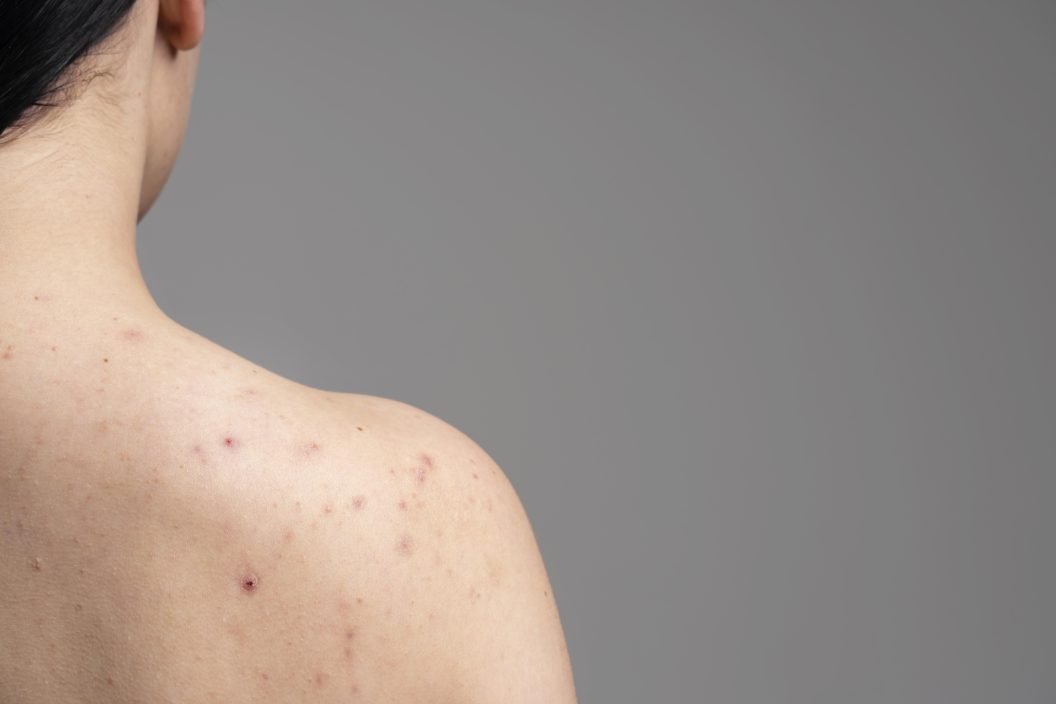
Body acne appears in several forms depending on its severity.
Mild cases often begin as blackheads or whiteheads that aren’t painful but create rough, uneven skin. As inflammation increases, small red pimples and pus-filled bumps may develop.
More severe acne produces large, tender nodules or cysts beneath the skin. These deeper blemishes can remain for weeks and carry the highest risk of permanent scarring.
Some people mistake other skin conditions for body acne. Heat rash, folliculitis, keratosis pilaris, and fungal acne can look similar but require different treatments. If your bumps are itchy rather than painful, appear in perfectly uniform clusters, or don’t improve with traditional acne products, it’s worth consulting a dermatologist for an accurate diagnosis.

How to Treat Body Acne
Treating body acne requires consistency. Unlike facial acne, body breakouts often cover larger areas, so improvement usually takes several weeks rather than a few days.
Use an Acne-Fighting Body Wash
A medicated body wash is often the easiest place to start. Products containing salicylic acid help dissolve excess oil and remove dead skin cells from inside the pores, making them particularly effective for blackheads and mild acne.
If your acne is more inflamed, benzoyl peroxide can help reduce acne-causing bacteria while calming redness. Because benzoyl peroxide may bleach fabrics, allow it to rinse off completely and use white towels when possible.
For people with frequent body breakouts, using an acne cleanser once daily is often enough. Overwashing can strip the skin and lead to irritation.
Exfoliate Gently
Dead skin cells contribute to clogged pores, but harsh scrubbing won’t solve the problem. In fact, aggressive exfoliation often irritates inflamed acne and slows healing.
Chemical exfoliants such as salicylic acid, glycolic acid, or lactic acid provide a gentler and more effective way to keep pores clear. Most people only need to exfoliate two or three times each week.
Apply Leave-On Treatments
After showering, applying a leave-on treatment allows active ingredients to continue working throughout the day.
Products containing adapalene help prevent clogged pores and reduce inflammation over time. Niacinamide can calm redness while supporting the skin barrier, making it a useful addition for sensitive skin.
For people dealing with post-acne marks, ingredients like azelaic acid or vitamin C may gradually brighten dark spots left behind after breakouts heal.
Choose Lightweight Moisturizers
Many people skip moisturizer because they’re afraid it will worsen acne. In reality, dehydrated skin can become irritated more easily, especially when using acne medications.
Choose lightweight, oil-free moisturizers labeled non-comedogenic. These hydrate the skin without blocking pores.
Lifestyle Habits That Can Make a Difference
Your daily habits can either help your skin recover or keep breakouts coming back.
- Shower as soon as possible after exercising or sweating heavily. This removes excess oil, sweat, and bacteria before they have time to settle into your pores.
- Wear loose, breathable fabrics whenever possible, especially during hot Philippine weather. Cotton and moisture-wicking athletic clothing reduce friction and help sweat evaporate more quickly.
- Wash gym clothes, towels, pillowcases, and bed sheets regularly. Dirty fabrics accumulate oil, bacteria, and dead skin cells that can transfer back onto your skin.
- Try to avoid picking at pimples. Although it may seem satisfying in the moment, squeezing acne pushes inflammation deeper into the skin and significantly increases the risk of dark marks and permanent scars.
Can Diet Affect Body Acne?
Diet isn’t the sole cause of acne, but research suggests it may influence breakouts in some people.
Foods with a high glycaemic index, including sugary drinks, sweets, and highly processed carbohydrates, may contribute to increased oil production by affecting insulin levels.
Some studies have also linked excessive dairy consumption, particularly skim milk, with acne in susceptible individuals. However, these associations don’t apply to everyone, so eliminating entire food groups without medical advice isn’t recommended.
Instead of focusing on strict restrictions, aim for a balanced diet rich in vegetables, fruits, lean protein, healthy fats, and whole grains while staying well hydrated.
Preventing Body Acne
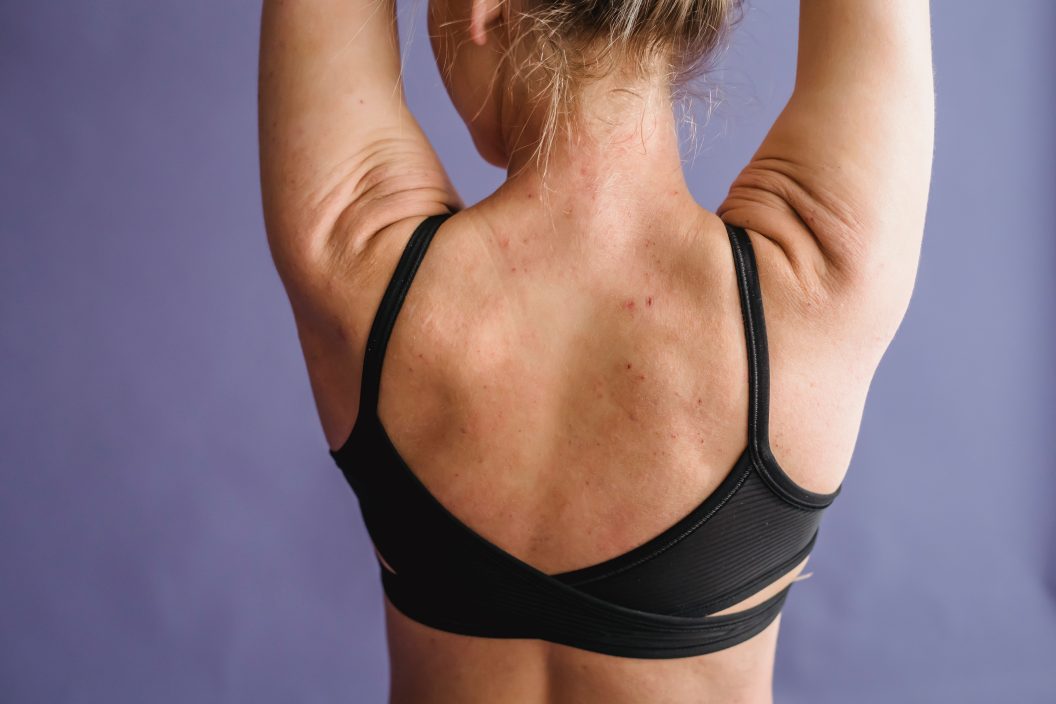
Preventing body acne is often easier than treating severe breakouts later. Maintaining a consistent skincare routine, cleansing after sweating, wearing breathable clothing, and using non-comedogenic skincare products all help reduce your risk.
If you shave areas affected by acne, use a clean razor and shave gently to minimize irritation. Avoid sharing towels or personal grooming items, as bacteria can spread between surfaces.
Remember that acne treatments take time. Most people need at least six to twelve weeks of consistent use before noticing meaningful improvement.
When Should You See a Dermatologist?
While many cases of body acne respond well to over-the-counter products, professional treatment may be necessary if your acne is painful, widespread, or leaving scars.
A dermatologist may prescribe stronger topical retinoids, oral antibiotics, hormonal therapy, or isotretinoin for severe acne that doesn’t improve with standard treatments. They can also recommend procedures such as chemical peels, laser therapy, or steroid injections for stubborn lesions and acne scars.
Seeking treatment early can reduce the risk of long-term skin damage and improve results.
Final Thoughts
Body acne can be stubborn, but it isn’t something you simply have to live with. Understanding what triggers your breakouts allows you to choose treatments that actually address the cause rather than temporarily hiding the symptoms.
A combination of consistent skincare, healthy daily habits, and patience is enough to improve many cases of body acne. If your breakouts are severe, painful, or leaving scars, don’t wait too long to consult a dermatologist. Early treatment can make a significant difference in both your skin’s appearance and your confidence.
Frequently Asked Questions
Is body acne different from facial acne?
The underlying causes are the same, but body skin is thicker and often produces larger, more persistent blemishes. Body acne may also take longer to heal because of constant friction from clothing and backpacks.
How long does body acne take to clear?
With consistent treatment, mild body acne may improve within six to eight weeks. Moderate to severe acne often requires several months and sometimes prescription medication.
Can body acne leave scars?
Yes. Inflamed pimples, cysts, and picking at acne can leave permanent scars or dark spots. Early treatment lowers this risk significantly.
Can I use my facial acne products on my body?
In many cases, yes. Ingredients such as salicylic acid, benzoyl peroxide, adapalene, and niacinamide work for both facial and body acne. Because larger areas are involved, body-specific products are often more practical and cost-effective.