Table of Contents

Whether you love early morning runs, weekend hikes, beach vacations, cycling adventures, or simply spending time outside, sun protection should be just as important as hydration and exercise. Spending time outdoors offers countless benefits for your physical and mental health, but it also increases your exposure to ultraviolet (UV) rays that can damage your skin over time.
Many women focus primarily on preventing a tan, but sun exposure affects much more than skin tone. Repeated exposure to UV rays can contribute to hyperpigmentation, melasma, dark spots, premature wrinkles, and loss of skin elasticity. Over time, excessive sun exposure may also increase the risk of more serious skin damage.
The good news is that protecting your skin doesn’t mean giving up your favorite outdoor activities. With the right habits, products, and clothing choices, you can continue enjoying the outdoors while keeping your skin healthy, comfortable, and looking its best.
1. Choose a Broad-Spectrum SPF 50 Sunscreen
The foundation of any effective sun protection routine is a sunscreen that protects against both UVA and UVB rays. Many women focus only on preventing sunburn, but UVA rays are responsible for much of the premature aging, collagen breakdown, and hyperpigmentation that develop over time.
For extended outdoor activities, SPF 50 is typically the safest choice. Whether you’re hiking mountain trails, training for a race, cycling long distances, or spending the day at the beach, SPF 50 provides a stronger level of protection than lower-SPF products.
Look for broad-spectrum formulas that are lightweight, sweat-resistant, and comfortable enough to wear throughout the day. A sunscreen that feels good on your skin is one you’re much more likely to use consistently.
2. Apply Sunscreen Earlier Than You Think You Need To
One of the biggest mistakes women make is applying sunscreen right before stepping outside. Most sunscreens need time to form an even protective layer on the skin.
Ideally, sunscreen should be applied 15 to 20 minutes before sun exposure. This gives the active ingredients time to settle and provide more reliable protection once you’re outdoors.
If you’re heading out for a morning run, a long walk, or a day hike, make sunscreen one of the first products you apply after your skincare routine rather than the last thing you do before leaving the house.
3. Don’t Rely on Makeup With SPF Alone
Many foundations, BB creams, tinted moisturizers, and skin tints now contain SPF, but they shouldn’t replace a dedicated sunscreen.
The SPF rating listed on makeup products is based on applying a much thicker layer than most people actually use. To achieve the advertised protection level, you’d need to wear significantly more makeup than most women would find comfortable.
Instead, think of SPF makeup as an extra layer of protection. Your primary defense should always be a separate broad-spectrum sunscreen underneath.

4. Wear UPF Clothing During Long Outdoor Activities

Sunscreen isn’t the only way to block UV rays. In many situations, clothing provides more consistent protection because it doesn’t sweat off, rub off, or require frequent reapplication.
Modern UPF clothing is specifically designed to block ultraviolet radiation while remaining lightweight and breathable. Long-sleeve performance shirts, hiking layers, and athletic tops can dramatically reduce sun exposure during outdoor adventures.
This is especially helpful for runners, cyclists, hikers, travelers, and anyone who spends several hours outdoors at a time.
5. Bring a Hat Everywhere
A wide-brimmed hat can protect areas people frequently miss with sunscreen, including the scalp, ears, neck, and hairline.
Many signs of aging first appear in these overlooked areas because they receive years of cumulative sun exposure. A good hat creates portable shade, helping reduce direct UV exposure throughout the day.
For maximum protection, choose a hat with a brim wide enough to shade your entire face rather than just your forehead.
6. Protect Your Eyes With UV-Blocking Sunglasses
Sun protection isn’t only about your skin. UV exposure can also affect your eyes and the delicate skin surrounding them.
Squinting in bright sunlight contributes to fine lines around the eyes, while prolonged UV exposure may increase the risk of certain eye conditions over time.
Quality sunglasses that provide 100% UV protection can help reduce both concerns while making outdoor activities more comfortable and enjoyable.
7. Reapply Sunscreen Every Two Hours
Even the best sunscreen won’t last forever. Sweat, swimming, toweling off, and natural product breakdown gradually reduce its effectiveness. That’s why dermatologists consistently recommend reapplying sunscreen every two hours during extended outdoor exposure.
For women who wear makeup, sunscreen sticks, powders, and cushion formulas can make touch-ups easier without disrupting your look.
8. Be Extra Careful Around Water, Sand, and Concrete
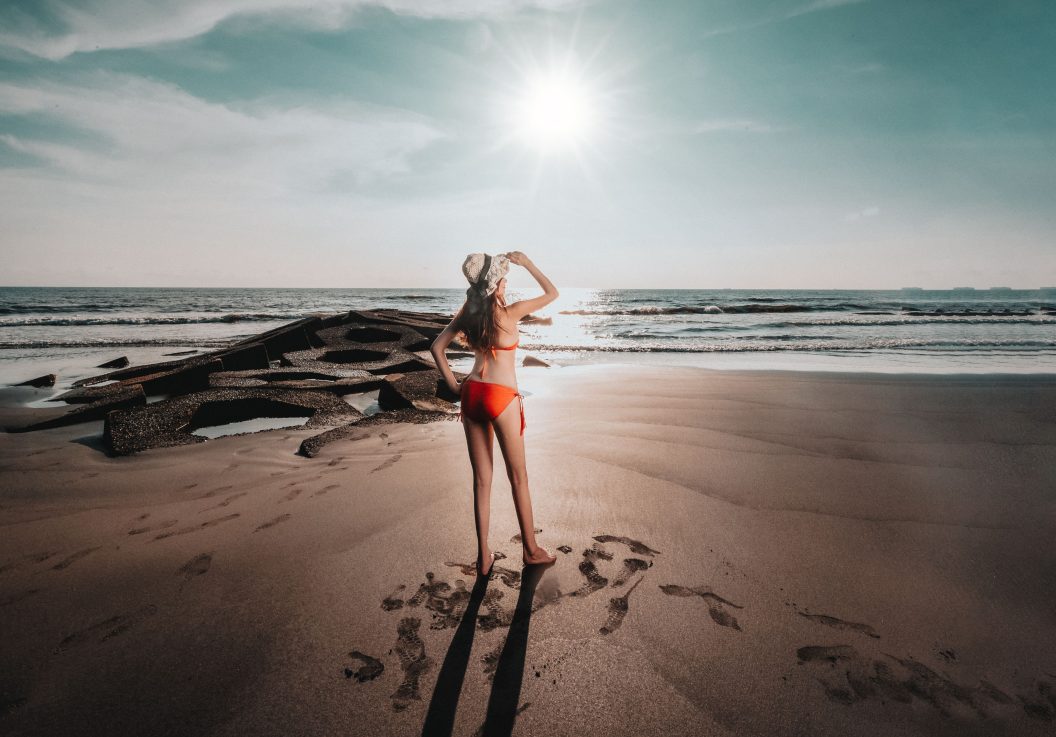
Many people underestimate how much reflective surfaces increase UV exposure. Water, white sand, concrete sidewalks, and even glass buildings can reflect sunlight back onto your skin. This means you’re receiving UV exposure from multiple directions rather than just from above.
This effect is especially noticeable during beach vacations, lake trips, boating excursions, and other waterfront activities where reflected sunlight can significantly increase your total UV exposure.
9. Avoid Peak UV Hours When Possible
The strongest UV radiation typically occurs between 10 a.m. and 4 p.m.
If your schedule allows, try planning outdoor workouts, walks, and recreational activities during the early morning or late afternoon. These times are often cooler and generally involve lower UV intensity.
While sunscreen is still necessary, limiting exposure during peak hours can help reduce cumulative sun damage over time.
10. Don’t Let Cloudy Weather Fool You
Many women skip sunscreen when the weather looks overcast. Unfortunately, clouds don’t completely block UV radiation.
A significant percentage of UV rays can still penetrate cloud cover and reach your skin. That’s why sunburn and pigmentation issues can develop even on days that don’t feel particularly sunny.
Daily sunscreen use is important year-round, regardless of the weather forecast.
11. Watch for Early Signs of Sun Damage
Hyperpigmentation, melasma, freckles, uneven skin tone, and persistent dark spots are often early signs that your skin has experienced excessive UV exposure.
Addressing these concerns early is much easier than trying to reverse years of accumulated damage. Consistent sunscreen use can help prevent pigmentation issues from worsening and protect the results of any skincare treatments you’re already using.
12. Create a Complete Sun Protection System
Women who successfully maintain healthy skin while enjoying active outdoor lifestyles rarely rely on a single product.
Instead, they combine sunscreen, UPF clothing, hats, sunglasses, shade, and smart scheduling to create multiple layers of protection. Each layer helps compensate for the limitations of the others, resulting in more effective overall coverage.
Whether you’re a runner, hiker, cyclist, beach lover, gardener, or simply someone who enjoys spending time outdoors, this layered approach allows you to enjoy your favorite activities while helping protect your skin from long-term sun damage.
Frequently Asked Questions
Is SPF 50 enough for outdoor activities?
For most outdoor activities, SPF 50 provides excellent protection when applied correctly and reapplied as needed. Activities involving water, heavy sweating, or prolonged sun exposure may require more frequent reapplication.
Do I need sunscreen on cloudy days?
Yes. Clouds don’t completely block UV rays. Significant UV exposure can still occur during overcast conditions, making sunscreen necessary even when the sun isn’t visible.
Can I still get a tan while wearing sunscreen?
Yes. No sunscreen blocks 100% of UV radiation. Sunscreen significantly reduces exposure, but some tanning can still occur, especially during extended periods outdoors.
Does makeup with SPF replace sunscreen?
No. Makeup products containing SPF can provide additional protection, but they typically aren’t applied heavily enough to deliver the advertised level of coverage. A dedicated sunscreen should remain your primary source of sun protection.
Is UPF clothing worth buying?
For women who regularly hike, run, cycle, travel, garden, or spend time outdoors, UPF clothing can provide significant additional protection while reducing the need for frequent sunscreen reapplication on covered areas.
How often should I reapply sunscreen outdoors?
Most dermatologists recommend reapplying sunscreen every two hours. If you’re sweating heavily, swimming, or drying off with a towel, more frequent reapplication may be necessary to maintain effective protection.