
Table of Contents

Vitamin C serums have earned a permanent place in modern skincare routines, and for good reason. Few ingredients have been studied as extensively for their ability to brighten skin, reduce hyperpigmentation, support collagen production, and protect against environmental damage. Whether you’re dealing with acne marks, uneven skin tone, dullness, or early signs of ageing, a well-formulated vitamin C serum can be a valuable addition to your routine.
At the same time, vitamin C is one of the most misunderstood skincare ingredients. Many people assume that higher percentages automatically produce better results. Others buy expensive serums without understanding how vitamin C works, how to apply it, or how to store it properly. The result is often irritation, disappointment, or products that lose their effectiveness long before the bottle is empty.
Before investing in a vitamin C serum, it’s worth understanding what you’re putting on your skin. Knowing how to choose the right formula, how to combine it with other skincare ingredients, and what results to realistically expect can save you both money and frustration.
Why Vitamin C Serums Have Become a Skincare Staple
The popularity of vitamin C serums isn’t simply the result of social media trends. Dermatologists have recommended topical vitamin C for years because of its ability to address multiple skin concerns simultaneously.
Unlike many skincare ingredients that target only one issue, vitamin C works on several levels. It helps protect skin from oxidative stress caused by pollution and ultraviolet radiation. It encourages collagen synthesis, which supports skin firmness and elasticity. It also helps reduce excess melanin production, making it useful for fading dark spots and improving overall skin brightness.
For people living in the Philippines, vitamin C can be especially beneficial. Frequent sun exposure, high humidity, pollution, and heat can contribute to uneven skin tone and pigmentation issues. Since UV exposure is one of the biggest triggers of hyperpigmentation, adding an antioxidant such as vitamin C can complement daily sunscreen use and help maintain a healthier complexion.
What Vitamin C Serum Actually Does for Your Skin
Fighting Free Radical Damage
Every day, your skin encounters environmental stressors. Sunlight, vehicle emissions, cigarette smoke, and pollution generate unstable molecules known as free radicals. These molecules damage skin cells and accelerate visible ageing.
Vitamin C functions as a powerful antioxidant. It neutralizes free radicals before they can cause extensive cellular damage. While sunscreen remains your primary defence against UV radiation, vitamin C provides an additional layer of protection by reducing oxidative stress that occurs throughout the day.
This protective effect becomes particularly important in urban environments where pollution levels can contribute significantly to skin damage.
Supporting Collagen Production
Collagen is the structural protein responsible for keeping skin firm, smooth, and resilient. As we age, collagen production naturally declines.
Vitamin C plays a direct role in collagen synthesis. Without sufficient vitamin C, the body cannot efficiently produce stable collagen fibers. When applied topically, vitamin C helps support this process, which may improve skin texture and reduce the appearance of fine lines over time.
Results aren’t immediate. Collagen production is gradual, which means improvements in firmness typically become noticeable after several weeks or months of consistent use.
Reducing Hyperpigmentation and Dark Spots
One of the most sought-after vitamin C serum benefits is its ability to improve skin tone. Vitamin C helps inhibit tyrosinase, an enzyme involved in melanin production. By reducing excess pigment formation, vitamin C can gradually fade post-acne marks, sun spots, and other forms of hyperpigmentation.
This process takes patience. Dark spots that developed over months or years won’t disappear overnight. However, consistent use can lead to visibly brighter and more even-looking skin.
Not All Vitamin C Serums Are the Same
A common mistake is assuming every vitamin C serum works identically. The truth is that different forms of vitamin C vary significantly in strength, stability, and irritation potential.
L-Ascorbic Acid
L-ascorbic acid is considered the gold standard form of vitamin C. It has the strongest research backing its effectiveness for brightening skin and supporting collagen production.
However, it’s also the most unstable form. Exposure to light, heat, and air can quickly degrade the ingredient, reducing effectiveness over time. People with sensitive skin may also find high concentrations irritating.
Sodium Ascorbyl Phosphate
This derivative is more stable and generally gentler than pure L-ascorbic acid. It’s often recommended for acne-prone skin because research suggests it may help reduce acne-causing bacteria while still delivering antioxidant benefits.
Magnesium Ascorbyl Phosphate
Known for being gentle and hydrating, this form is commonly used in products designed for sensitive or dry skin types. Although it may work more gradually than L-ascorbic acid, it often causes less irritation.
Ascorbyl Glucoside
This stable derivative converts into vitamin C after application. It’s popular in brightening products because it balances effectiveness with improved stability.
For beginners, derivatives such as sodium ascorbyl phosphate or ascorbyl glucoside are often easier to tolerate than highly concentrated L-ascorbic acid formulas.

Understanding Vitamin C Concentration Before You Buy
Higher percentages aren’t always better. Many consumers immediately reach for 20% vitamin C serums, believing they’ll see faster results. In reality, higher concentrations also increase the risk of irritation, redness, and sensitivity.
For beginners, a concentration between 8% and 10% is often sufficient. This allows the skin to adapt while still providing noticeable benefits. More experienced users may tolerate concentrations between 15% and 20%, particularly if they are using stable formulations and do not have sensitive skin.
The goal isn’t finding the highest percentage available. The goal is to find the concentration that delivers results without causing unnecessary irritation.
How to Use Vitamin C Serum Correctly
Morning vs Evening Application
Most dermatologists recommend applying vitamin C serum in the morning. This timing allows vitamin C to work alongside sunscreen throughout the day, providing antioxidant protection against environmental stressors and UV exposure.
Some people use vitamin C both morning and evening, but once-daily application is generally sufficient for most users.
Where Vitamin C Fits in Your Routine
Vitamin C serum should typically be applied after cleansing and before heavier products such as moisturizers and sunscreen.
A simple morning routine may look like this: Cleanser → Vitamin C Serum → Moisturiser → Sunscreen
Applying vitamin C before heavier creams allows better penetration into the skin. After application, allow the serum to absorb for a minute or two before layering additional products.
Ingredients That Work Well With Vitamin C
Vitamin C and Niacinamide
For years, skincare myths suggested vitamin C and niacinamide should never be used together. Modern research has largely disproven this concern.
These ingredients can actually complement one another. Vitamin C helps brighten skin and reduce pigmentation, while niacinamide supports the skin barrier, controls excess oil, and helps calm inflammation. Many formulations now combine both ingredients successfully.
Vitamin C and Hyaluronic Acid
This pairing is particularly beneficial in the Philippine climate, where heat and sun exposure can contribute to dehydration.
Vitamin C addresses brightness and antioxidant protection, while hyaluronic acid helps attract and retain moisture. Together, they support healthier-looking skin without increasing irritation.
Vitamin C and Sunscreen
This combination is arguably the most important skincare partnership. Vitamin C enhances your skin’s defence against environmental damage, while sunscreen blocks UV radiation. Neither replaces the other. Instead, they work together to provide more comprehensive protection.
Ingredients That Require More Caution
Vitamin C and Retinol
Both ingredients offer impressive benefits, but combining them improperly can increase irritation.
If you’re new to either ingredient, it’s often better to use vitamin C in the morning and retinol at night. This approach reduces the risk of redness and dryness while allowing each ingredient to work effectively.
Vitamin C and Exfoliating Acids
Glycolic acid, lactic acid, and salicylic acid can all be effective skincare ingredients. However, using multiple potent actives simultaneously may overwhelm sensitive skin. People who use exfoliating acids regularly may need to alternate usage days or gradually introduce vitamin C to minimize irritation.
Common Side Effects and How to Avoid Them
Most people tolerate vitamin C well, but side effects can occur.
Mild tingling immediately after application is relatively common, particularly with L-ascorbic acid formulations. Temporary redness may also occur as the skin adjusts. Persistent burning, itching, or excessive redness usually indicates that the concentration is too high or that the formulation isn’t suitable for your skin type.
Patch testing is one of the simplest ways to avoid problems. Apply a small amount behind the ear or along the jawline for several days before using the product on your entire face. Starting slowly can also help. Using vitamin C every other day before progressing to daily use often allows sensitive skin to adjust more comfortably.
Mistakes That Make Vitamin C Serums Less Effective
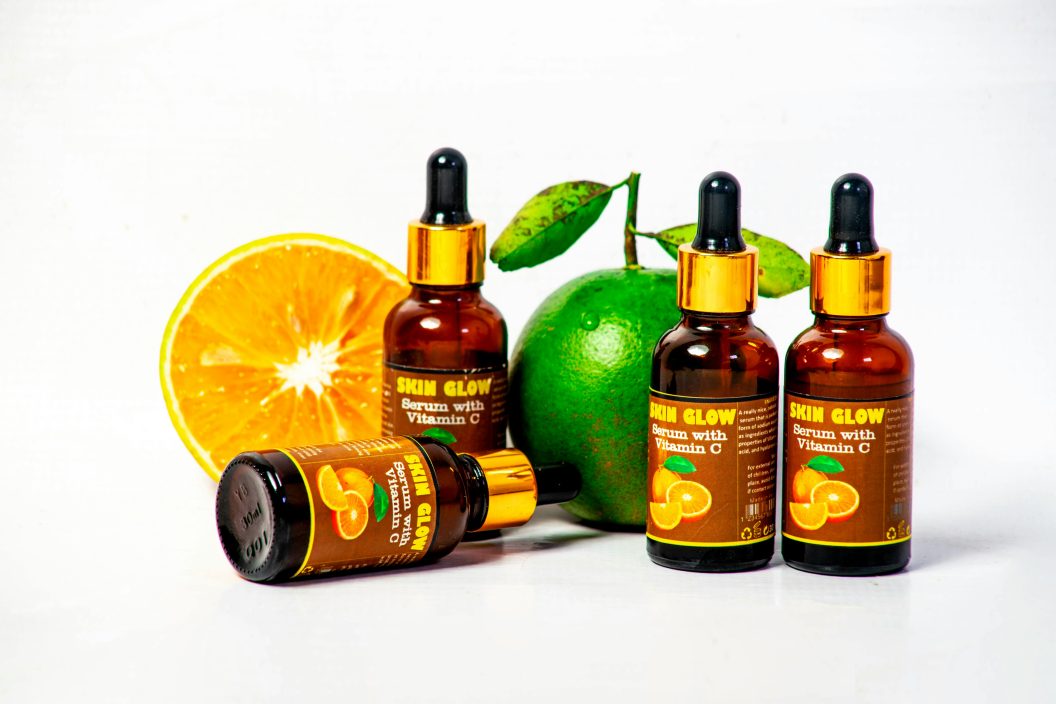
- Continuing to use oxidized products. Vitamin C is highly sensitive to light and air. When a serum turns dark yellow, orange, or brown, oxidation has likely occurred. This indicates reduced effectiveness and may increase irritation potential.
- Improper storage. Leaving bottles in hot cars, sunny windowsills, or humid bathrooms can accelerate degradation.
- Skipping sunscreen. Many people expect vitamin C to reverse sun damage while continuing to expose their skin to ultraviolet radiation without protection. This significantly limits results.
- Inconsistent use. Brightening hyperpigmentation and supporting collagen production require sustained application over weeks and months.
How Long Does Vitamin C Take to Work?
The timeline varies depending on the concern being treated.
Many users notice improved brightness within two to four weeks. Skin often appears more radiant as oxidative stress decreases and overall tone becomes more even. Hyperpigmentation and acne marks generally require six to twelve weeks of consistent use before significant fading becomes visible.
Collagen-related improvements tend to take longer, while changes in firmness and fine lines may require several months of regular application. Patience is important. Vitamin C delivers cumulative benefits rather than dramatic overnight transformations.
Who Should and Shouldn’t Use Vitamin C Serum?
Vitamin C is suitable for most skin types, including normal, combination, oily, and mature skin. People dealing with hyperpigmentation, acne scars, sun damage, or dullness often see the most noticeable improvements.
Those with highly reactive skin conditions may need additional caution. Choosing lower concentrations and gentler derivatives can help minimize irritation. Teenagers struggling with post-acne marks may also benefit from vitamin C, although simpler routines are often preferable for younger users.
How to Choose the Right Vitamin C Serum
The best vitamin C serum isn’t necessarily the most expensive. Focus on formulation quality, stability, and suitability for your skin type. Look for opaque or dark packaging that protects the ingredient from light exposure. Airless pumps often provide better stability than jars or dropper bottles.
Also, consider your skin concerns. Acne-prone individuals may prefer sodium ascorbyl phosphate. Sensitive skin may respond better to magnesium ascorbyl phosphate. Experienced users seeking maximum potency may choose L-ascorbic acid.
Pay attention to ingredient lists beyond vitamin C itself. Supportive ingredients such as vitamin E and ferulic acid can improve stability and enhance antioxidant performance.
Final Thoughts
Vitamin C serums can be one of the most rewarding additions to a skincare routine when used correctly. They address multiple concerns at once, from hyperpigmentation and dullness to environmental damage and early signs of aging. However, getting the best results requires more than simply buying the highest concentration on the shelf.
Understanding ingredient forms, choosing the right strength, storing products properly, and combining vitamin C with complementary ingredients can dramatically improve your experience. When used consistently alongside daily sunscreen, vitamin C has the potential to become one of the hardest-working products in your skincare routine.
Frequently Asked Questions
Can I use vitamin C serum every day?
Yes. Most people can safely use vitamin C serum daily. Beginners may prefer starting every other day to monitor how their skin responds before increasing frequency.
Can vitamin C serum help acne scars?
Vitamin C is particularly helpful for post-inflammatory hyperpigmentation, which appears as dark marks left behind after acne heals. It can gradually brighten these spots and improve overall skin tone. Deep pitted scars usually require professional treatments beyond topical skincare.
Why did my vitamin C serum turn brown?
Brown or dark orange colouring usually indicates oxidation. Exposure to air, heat, or sunlight can degrade vitamin C and reduce its effectiveness. Once significant oxidation occurs, replacement is generally recommended.
Can vitamin C lighten skin?
Vitamin C doesn’t bleach or permanently lighten your natural skin color. Instead, it helps reduce excess pigmentation and promotes a more even skin tone, allowing your natural complexion to appear brighter.
Can I use vitamin C serum with retinol?
Yes, but many people find it easier to use vitamin C in the morning and retinol at night. This approach reduces irritation while allowing both ingredients to deliver their benefits.
Is vitamin C serum safe for sensitive skin?
It can be, provided you choose appropriate formulations. Lower concentrations and gentler derivatives, such as magnesium ascorbyl phosphate, are often better tolerated than highly concentrated L-ascorbic acid.
Can vitamin C replace sunscreen?
No. Vitamin C provides antioxidant protection but doesn’t block ultraviolet radiation. Daily sunscreen remains essential, even when using vitamin C.
What percentage of vitamin C is best for beginners?
A concentration between 8% and 10% is typically a good starting point. This range offers benefits while minimising the risk of irritation that can occur with stronger formulations.



