
Table of Contents

Dark underarms are incredibly common, especially in the Philippines, where heat, sweat, friction, and frequent shaving can easily irritate the skin. The problem is that most people focus only on “whitening” without understanding why the underarms became dark in the first place. That usually leads to harsh scrubs, lemon juice treatments, or random whitening products that end up making the area even more irritated.
Real underarm whitening happens when you reduce inflammation, improve skin turnover, and stop the habits that trigger pigmentation repeatedly. These proven and tested tips focus on long-term improvement instead of temporary fixes.
1. Stop Over-Scrubbing Your Underarms
One of the biggest mistakes people make is treating dark underarms like stubborn dirt. That’s why some people aggressively scrub with rough washcloths, whitening soaps, salt scrubs, or exfoliating gloves every single day. Unfortunately, this often backfires.
Underarm skin is thinner and more sensitive than many people realize. Repeated friction creates inflammation, and inflammation is one of the main triggers behind post-inflammatory hyperpigmentation. The more irritated the skin becomes, the darker it may appear over time.
If your underarms feel raw, sting after shaving, or become red after exfoliating, your skin barrier is probably already damaged. Instead of scrubbing harder, focus on calming the skin down. Gentle cleansing paired with controlled exfoliation usually produces better results than abrasive treatments.
Many people notice improvement simply by stopping harsh scrubbing habits for a few weeks.
2. Switch From Physical Scrubs to Chemical Exfoliation
Exfoliation does help brighten dark underarms, but the method matters. Physical scrubs can create micro-tears that worsen pigmentation, especially when used too often. Chemical exfoliants work differently because they dissolve dead skin buildup more evenly without excessive rubbing.
Ingredients like glycolic acid and lactic acid are especially effective for underarm discoloration. Glycolic acid helps speed up skin turnover, which gradually fades dullness and uneven pigmentation. Lactic acid offers similar benefits while being gentler and more hydrating.
You don’t need to exfoliate daily. In fact, overdoing it is one of the fastest ways to irritate the area. Most people only need chemical exfoliation two to three times per week.
The first changes you’ll usually notice are a smoother texture and reduced roughness before visible whitening begins. That’s normal. Hyperpigmentation fades slowly because the skin needs time to renew itself naturally.
3. Avoid Lemon Juice and Baking Soda DIY Hacks
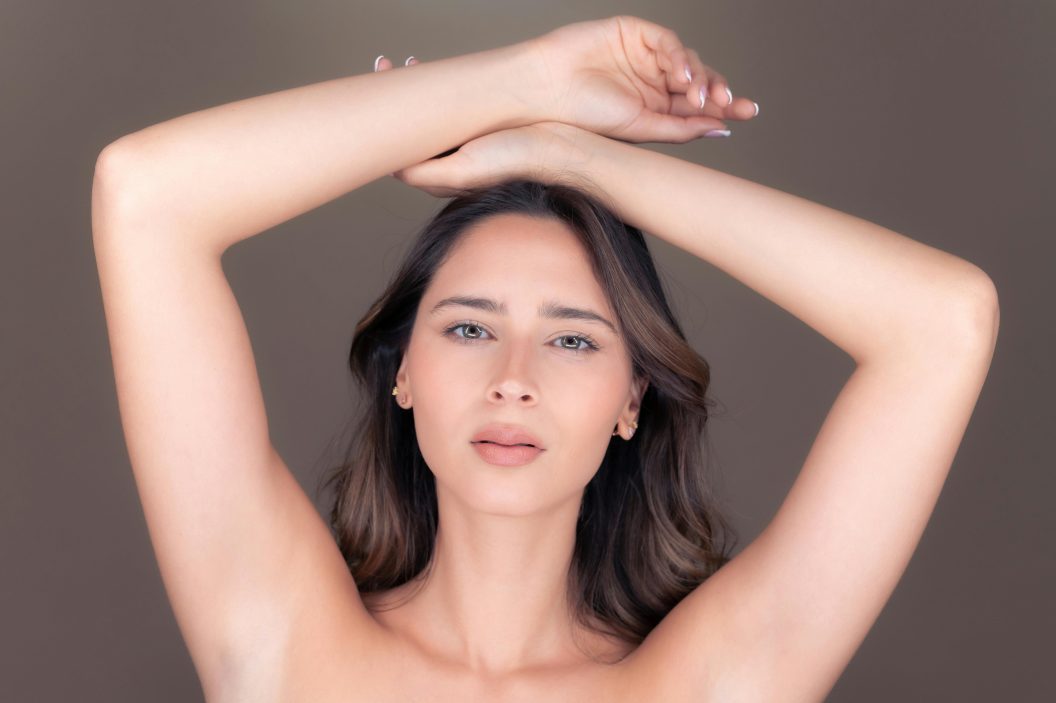
Lemon juice remains one of the most common underarm whitening remedies online, but it’s also one of the most problematic. While lemons contain natural acids, they’re extremely acidic and unpredictable on sensitive skin.
Some people experience burning, peeling, redness, or worsening pigmentation after repeated use. The same goes for baking soda, which has a very high pH that can disrupt the skin barrier and trigger irritation.
The problem with these DIY methods is that they may temporarily make the skin feel smoother, creating the illusion of improvement while inflammation continues underneath. Over time, the irritation can deepen pigmentation instead of fading it.
Safer alternatives like aloe vera, niacinamide, or gentle exfoliating acids tend to work better because they improve the skin gradually without damaging it. Fast whitening hacks often create long-term problems.

4. Use a Gentle Underarm Cleanser
A lot of people unknowingly irritate their underarms with harsh soaps. Strong cleansers filled with fragrance and sulfates can strip the skin barrier, leaving the area dry, inflamed, and more vulnerable to pigmentation.
Your underarms don’t need aggressive cleansing. They need consistent but gentle cleansing that removes sweat, oil, and deodorant buildup without damaging the skin.
If your skin feels tight or squeaky clean after washing, your cleanser may be too harsh. A mild body wash or fragrance-free cleanser usually works much better for sensitive underarm skin. This becomes even more important if you’re using exfoliating acids or whitening products because irritated skin can become reactive very quickly.
5. Moisturize Your Underarms Regularly
Most people never think about moisturizing their underarms, but dryness increases friction and irritation. A compromised skin barrier struggles to heal properly, which can make pigmentation linger longer.
Hydrated skin tends to look smoother, healthier, and more even-toned over time. Lightweight moisturizers containing ceramides, niacinamide, or soothing ingredients can help strengthen the barrier while reducing irritation from shaving and deodorants. You don’t need thick heavy creams. A simple lightweight moisturizer applied after showering is often enough to improve the overall condition of the skin.
Many people focus only on whitening ingredients while completely ignoring barrier repair. In reality, healthier skin usually responds better to brightening treatments.
6. Improve Your Shaving Routine
Shaving is one of the biggest contributors to dark underarms because it repeatedly irritates the skin. Dry shaving, dull razors, and rushed technique create friction and tiny cuts that trigger inflammation.
A better shaving routine can dramatically reduce underarm darkening over time. Always shave on softened skin after showering, and use a shaving cream or gel to reduce friction. Sharp razors matter too because dull blades tug the hair instead of cutting cleanly. Shaving in the direction of hair growth may also reduce irritation and ingrown hairs.
Some people notice that their underarms aren’t actually deeply pigmented. Instead, they’re seeing shadowing from dark hair beneath the skin. That’s why proper hair removal methods can make such a visible difference.
7. Consider Switching to Waxing or Laser Hair Removal
If shaving constantly irritates your underarms, changing your hair removal method may help significantly.
Waxing removes hair from the root, which can reduce visible shadowing and create smoother skin. However, it’s not ideal for everyone because some people experience irritation or ingrown hairs afterward.
Laser hair removal tends to produce the best long-term improvement for many people because it reduces hair growth while minimizing repeated razor trauma. As the need for shaving decreases, inflammation and friction often decrease too. Many people who undergo laser hair removal notice their underarms gradually becoming smoother and brighter even before additional whitening treatments are added.
For morena skin tones, choosing experienced clinics matters because improper laser settings can cause irritation or pigmentation issues.
8. Choose Deodorants Carefully

Some deodorants contain alcohol, strong fragrances, or irritating ingredients that slowly inflame the skin over time. Even products marketed as “whitening” can worsen pigmentation if the formula is too harsh for your skin. If your underarms sting, itch, burn, or feel excessively dry after applying deodorant, your skin may be reacting to the product.
Look for gentler formulas with ingredients like niacinamide or mild exfoliating acids instead of heavily perfumed whitening claims. Fragrance-free or sensitive-skin deodorants are often better for people prone to irritation.
Patch testing new products helps reduce the risk of unexpected reactions. Sometimes the best whitening strategy is simply removing the products causing chronic irritation in the first place.
9. Add Niacinamide to Your Underarm Routine
Niacinamide has become one of the most reliable ingredients for uneven skin tone because it improves pigmentation while also calming inflammation. This makes it especially useful for underarms, where irritation and discoloration often happen together. Niacinamide supports the skin barrier, helps reduce redness, and gradually improves uneven pigmentation with consistent use.
Unlike stronger acids, niacinamide is generally well-tolerated by sensitive skin. It also pairs well with moisturizers and gentle exfoliating products.
Results take time, though. Most people need several weeks of consistent use before noticeable brightening appears. The advantage of niacinamide is that it improves overall skin health instead of aggressively forcing rapid exfoliation.
10. Reduce Friction as Much as Possible
Friction is one of the most overlooked causes of underarm darkening. Tight sleeves, rough fabrics, sweating, and repetitive rubbing can continuously trigger inflammation throughout the day. In hot and humid weather, friction becomes even worse because moisture softens the skin and increases irritation.
Wearing breathable fabrics and avoiding overly tight clothing can help reduce repeated rubbing. Keeping the underarm area dry without overusing harsh powders also helps. Some people spend heavily on whitening products while continuing daily habits that constantly recreate pigmentation. Reducing friction often improves results more than adding stronger treatments.
11. Be Consistent Instead of Aggressive
One reason people struggle with underarm whitening is that they expect dramatic changes within days. That usually leads to over-exfoliating, layering multiple acids together, or constantly switching products. Hyperpigmentation fades slowly. Skin renewal takes time.
The most effective routines are usually simple, moderate, and consistent. Gentle exfoliation, proper moisturizing, irritation control, and steady use of brightening ingredients tend to outperform harsh “instant whitening” methods long-term.
Texture improvements usually happen before major color changes. Smooth skin often reflects light better, making the area appear healthier even before pigmentation fully fades. Consistency matters more than intensity.
12. Know When Dark Underarms May Be a Medical Concern
Not all dark underarms are caused by skincare habits. Sometimes pigmentation may be linked to underlying medical conditions such as acanthosis nigricans, which causes thick, velvety dark patches often associated with insulin resistance or hormonal changes.
If the skin becomes unusually thick, suddenly darkens rapidly, spreads to other areas, or doesn’t respond to normal skincare routines, it’s worth consulting a dermatologist. No whitening cream or exfoliating acid will fully solve pigmentation caused by untreated medical issues.
Understanding the root cause is what separates temporary cosmetic fixes from real long-term improvement.
Frequently Asked Questions
How long does it take to whiten dark underarms?
Mild discoloration may improve within four to eight weeks, while deeper pigmentation can take several months. Consistency and irritation control matter more than aggressive treatments.
Is glycolic acid safe for the underarms?
Yes, when used properly. Lower concentrations used a few times weekly are usually safer than daily application. Overuse may irritate sensitive skin.
Why do my underarms get darker after shaving?
Shaving creates friction and micro-irritation that can trigger post-inflammatory hyperpigmentation over time, especially with dull razors or dry shaving.
Do whitening deodorants actually work?
Some can help, especially those containing niacinamide or gentle exfoliating ingredients. However, results are usually gradual and depend heavily on your overall routine.
What’s the fastest treatment for dark underarms?
Professional laser treatments generally produce the fastest visible improvement, especially when paired with laser hair removal. Multiple sessions are still usually required.



