
Table of Contents

Sunflower oil has become one of the most versatile ingredients in modern skincare because it manages to hydrate, soften, and support the skin barrier without feeling excessively heavy. That balance is especially important in tropical countries like the Philippines, where humidity, sweat, pollution, and UV exposure can make rich skincare products uncomfortable to wear.
Many people still assume facial oils automatically lead to greasy skin or clogged pores. Sunflower oil behaves differently from many heavier oils because it contains high levels of linoleic acid, a fatty acid associated with healthier skin barrier function and lighter texture performance.
Its growing popularity isn’t just driven by “natural skincare” trends. Dermatologists and skincare formulators continue using sunflower oil because it works well across multiple skin concerns, including dehydration, irritation, sensitivity, and even acne-prone skin. Here’s a deeper look at the sunflower oil skincare benefits that make this ingredient worth trying.
1. Sunflower Oil Helps Strengthen the Skin Barrier
One of the biggest reasons sunflower oil appears in modern skincare products is its ability to support the skin barrier. The skin barrier acts as the body’s protective outer layer. It prevents excessive moisture loss while helping defend against pollution, bacteria, irritants, and environmental stress. When the barrier becomes damaged, the skin often feels tight, irritated, flaky, or unusually sensitive.
Sunflower oil contains high levels of linoleic acid, an omega-6 fatty acid that plays a major role in maintaining healthy barrier function. Barrier damage has become increasingly common because many people overuse exfoliating acids, acne treatments, scrubs, and retinoids without enough recovery-focused skincare. When the barrier weakens, transepidermal water loss increases. This means water escapes from the skin more easily, leaving it dehydrated even in humid climates.
Sunflower oil helps reduce this moisture loss while improving softness and flexibility in the skin surface. That’s why it frequently appears in barrier creams and sensitive-skin moisturizers. Unlike heavier oils that can feel suffocating in tropical weather, sunflower oil usually feels lighter and more breathable, making it easier to use consistently.
2. It Provides Lightweight Hydration Without Feeling Too Greasy
A common problem in humid climates is finding skincare products that moisturize properly without creating excessive shine or heaviness. Many thick creams work well in colder climates but become uncomfortable in hot weather. They can feel sticky throughout the day, especially under sunscreen and makeup.
Sunflower oil solves part of this issue because of its lightweight texture profile. It spreads easily across the skin and absorbs more comfortably than heavier oils like coconut oil or olive oil. That doesn’t mean it behaves like a dry oil. It still provides noticeable softness and moisture retention, but it usually leaves behind a smoother, more breathable finish.
This balance makes sunflower oil particularly useful for:
- Combination skin
- Mildly oily skin
- Dehydrated skin
- Tropical climate skincare routines
People often confuse oily skin with hydrated skin, but they’re not the same thing. Skin can produce excess oil while still lacking water internally. Harsh cleansers, over-exfoliation, acne products, and air conditioning frequently contribute to dehydration. Sunflower oil helps seal hydration into the skin without overwhelming it with excessive richness.
3. Sunflower Oil Contains Vitamin E for Antioxidant Protection
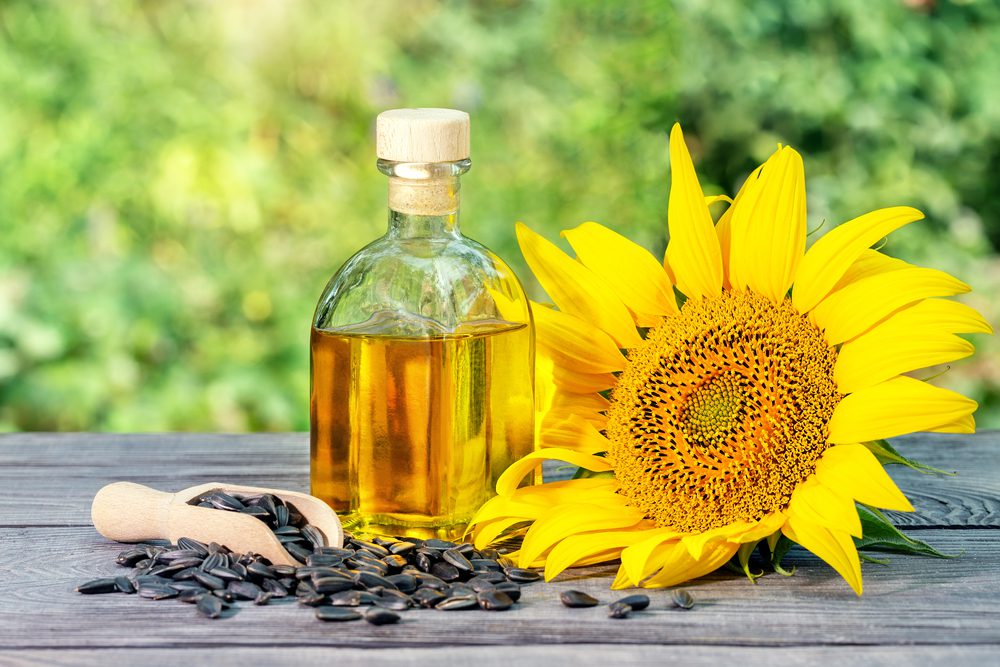
Sunflower oil naturally contains vitamin E, one of the most recognized antioxidant ingredients in skincare. Antioxidants help defend the skin against oxidative stress caused by environmental exposure. Pollution, UV radiation, smoke, and other environmental aggressors generate unstable molecules called free radicals, which contribute to premature skin aging and inflammation.
Vitamin E helps neutralize some of that oxidative damage while supporting overall skin health. This doesn’t mean sunflower oil replaces sunscreen. Daily sunscreen remains essential, especially in the Philippines, where UV exposure remains intense year-round. However, antioxidant-rich ingredients can provide additional support alongside sunscreen by helping the skin better manage environmental stress.
Vitamin E also contributes to sunflower oil’s soothing properties. That’s one reason why the ingredient commonly appears in products designed for dryness, rough texture, and irritation recovery.
4. It May Help Acne-Prone Skin More Than People Expect
Many acne-prone individuals avoid facial oils entirely because they associate oils with clogged pores and breakouts. The reality is more complex because different oils contain very different fatty acid compositions.
Sunflower oil is considered relatively low-comedogenic compared to heavier oils like coconut oil. High-linoleic oils also tend to feel lighter and less occlusive on the skin surface. Researchers have observed that acne-prone skin often contains lower levels of linoleic acid within surface lipids. This imbalance may contribute to thicker sebum consistency and increased pore congestion. Because sunflower oil is rich in linoleic acid, some people with acne-prone skin tolerate it better than richer oils.
Texture also matters significantly in acne routines. Many acne-focused products dry out the skin aggressively, weakening the barrier and triggering irritation. In response, the skin may produce even more oil, creating an ongoing cycle of dehydration and shine. Sunflower oil can help reduce some of that dryness without introducing the heaviness associated with thicker oils.
Of course, skincare responses vary individually. Some acne-prone users may still prefer gel moisturizers or ingredients like squalane. But sunflower oil performs far better for oily skin than many people initially expect.
5. Sunflower Oil Can Calm Sensitive and Irritated Skin
Sensitive skin usually involves some degree of barrier dysfunction and inflammation. When the skin barrier weakens, irritants penetrate more easily, causing redness, burning, stinging, and discomfort. Strong actives, over-cleansing, sun exposure, and environmental stress often make these issues worse.
Sunflower oil helps because it supports moisture retention while remaining relatively gentle compared to more aggressive skincare ingredients. Many skincare products marketed for sensitivity contain long ingredient lists filled with fragrance, alcohol, or strong actives that reactive skin struggles to tolerate. Simpler formulations containing barrier-supportive oils can sometimes feel significantly more comfortable.
Sunflower oil is also commonly used in products designed for:
- Eczema-prone skin
- Compromised barriers
- Redness support
- Post-exfoliation recovery
Its lightweight nature makes it easier to use consistently, especially for people who dislike the suffocating feel of heavy creams.
6. It Works Well in Humid and Tropical Climates
Climate changes how skincare products perform. An ingredient that feels comfortable in colder regions may feel extremely greasy in humid environments. This is one reason skincare recommendations often need a regional context.
In tropical climates like the Philippines, people commonly look for skincare that:
- Feels breathable
- Layers comfortably under sunscreen
- Doesn’t melt excessively during heat exposure
- Avoids heavy residue
Sunflower oil fits those preferences better than many richer botanical oils. Because it absorbs relatively well and leaves behind a lighter finish, it integrates more naturally into warm-weather skincare routines. This becomes especially important during daytime use. Heavy oils combined with sweat, sunscreen, and humidity can feel overwhelming quickly. Sunflower oil generally layers more comfortably than richer alternatives.
7. Sunflower Oil Helps Reduce Moisture Loss
One of sunflower oil’s most important functions is reducing transepidermal water loss. The skin constantly loses small amounts of water throughout the day. When the barrier becomes compromised, that water escapes more rapidly, leaving skin dehydrated and uncomfortable.
Sunflower oil acts as an emollient, helping soften the skin while improving moisture retention. This becomes particularly useful for people experiencing:
- Retinol dryness
- Over-exfoliation
- Tightness after cleansing
- Flaky skin
- Dehydration from acne products
Many people assume hydration only comes from water-based products like hyaluronic acid serums. In reality, hydration works best when combined with ingredients that help retain that water inside the skin. Sunflower oil helps seal in hydration more effectively, especially when applied after water-based serums or moisturizers.
8. It Layers Easily With Other Skincare Ingredients

Some facial oils interfere with makeup, pill under sunscreen, or create heaviness when combined with active ingredients. Sunflower oil generally layers more easily because of its lighter consistency. It works well alongside:
- Niacinamide
- Ceramides
- Peptides
- Hyaluronic acid
- Gentle retinol routines
- Barrier repair creams
This flexibility makes it easier to integrate into existing skincare routines without needing a complete overhaul. For people using strong actives like retinoids or exfoliating acids, sunflower oil can help offset dryness and irritation while supporting recovery. Most people only need a few drops. Overusing facial oils can still create heaviness, especially in warm climates.
9. Sunflower Oil Is Often Better Tolerated Than Coconut Oil for the Face
Coconut oil remains popular in DIY skincare, but facial skin often reacts differently to it than body skin. Coconut oil contains a higher proportion of saturated fats and tends to feel heavier and more occlusive. Many acne-prone individuals experience clogged pores from regular facial use.
Sunflower oil usually feels significantly lighter by comparison. This makes a major difference in humid weather, where heavy oils can quickly feel uncomfortable throughout the day.
For body moisturization, coconut oil may still work well for some individuals. For facial skincare, sunflower oil generally offers:
- Lighter texture
- Easier layering
- Lower pore-clogging potential
- Better comfort in heat and humidity
That combination explains why sunflower oil appears more frequently in modern facial skincare formulations.
10. It’s Versatile Across Multiple Types of Skincare Products
Another reason sunflower oil has become so common is its formulation versatility. It works well in:
- Oil cleansers
- Facial moisturizers
- Barrier creams
- Body lotions
- Soothing balms
- Lightweight facial oils
In cleansers, sunflower oil helps dissolve sunscreen, makeup, and excess sebum without stripping the skin aggressively. In moisturizers, it improves softness and flexibility while helping maintain hydration. In barrier creams, it supports recovery for dry or irritated skin. This flexibility allows formulators to use sunflower oil across different textures and product categories without overwhelming the skin.
How to Use Sunflower Oil in a Skincare Routine
For most people, sunflower oil works best as one of the final skincare steps because oils help reduce moisture evaporation. A practical routine might look like:
- Cleanser
- Hydrating serum
- Moisturizer
- A few drops of sunflower oil
Some people prefer nighttime use only, especially in very humid conditions. Others with dry or sensitive skin may tolerate daytime application well underneath sunscreen.
Cold-pressed sunflower oil is often preferred for facial skincare because it undergoes less processing and retains more naturally occurring compounds. However, refined versions can still perform extremely well depending on formulation quality. Patch testing remains important, especially for sensitive or acne-prone skin.
Frequently Asked Questions
Does sunflower oil clog pores?
Sunflower oil is generally considered low comedogenic, especially high-linoleic varieties. Many people tolerate it better than heavier oils like coconut oil.
Is sunflower oil good for oily skin?
Yes. Its lightweight texture and linoleic acid content often make it suitable for oily and combination skin types.
Can sunflower oil replace moisturizer?
Some oily skin types may use it alone, but most people get better results combining it with hydrating serums or moisturizers.
Is sunflower oil safe for sensitive skin?
Many sensitive-skin formulations contain sunflower oil because it’s gentle and barrier-supportive. Fragrance-free products are usually the safest choice.
Should sunflower oil be used morning or night?
Both are possible. Many people in humid climates prefer nighttime use because daytime layering with sunscreen can feel heavier.


