
Table of Contents

The Historical Evolution of Global Beauty Ideals
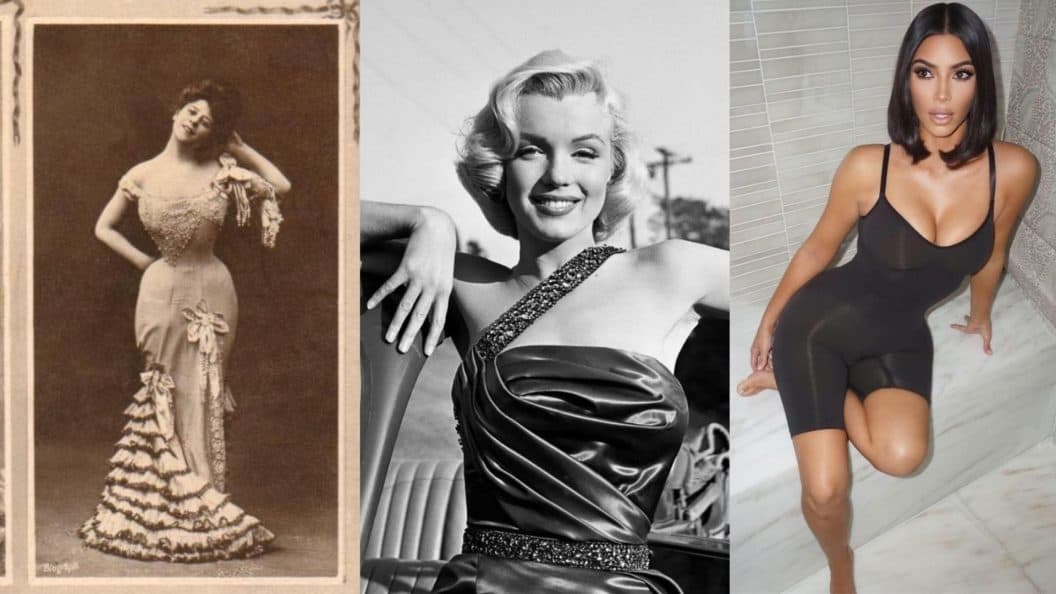
Beauty standards have been a mirror of human society, reflecting the cultural values, technological advancements, and social hierarchies of their time. From ancient civilizations to the modern digital age, these ideals have evolved dramatically, shaped by factors like geography, politics, and media.
Understanding their transformation offers a deeper appreciation of the cultural tapestry that influences our perceptions of beauty today.
Deep Dive Into the Historical Evolution of Global Beauty Ideals
Ancient Civilizations: Beauty as Power and Divinity
In ancient civilizations, beauty symbolized divine connection and social status. Both men and women adorned themselves with intricate hairstyles, cosmetics, and jewelry to honor the gods and display wealth.
Cleopatra’s iconic kohl-rimmed eyes epitomized this era, blending aesthetics with spirituality. Similarly, ancient Greece idealized symmetry and proportion, associating physical perfection with moral virtue. Sculptures from the period reveal a preference for athletic, balanced physiques as embodiments of harmony and order.
The Middle Ages: Modesty and Spirituality
During the Middle Ages in Europe, beauty took on a more subdued and spiritual tone. Pale skin, high foreheads, and slender silhouettes were celebrated, reflecting an emphasis on modesty and piety.
Women often plucked their hairlines to achieve the desired “egg-shaped” forehead, while elaborate garments and accessories underscored social status. In contrast, many non-European cultures, such as those in Africa and Asia, maintained distinct beauty ideals rooted in their traditions, often celebrating vibrant colors, intricate body art, and symbolic adornments.
The Renaissance: The Rebirth of Extravagance
The Renaissance marked a return to indulgence and opulence, with fuller figures, flushed skin, and ornate fashion taking center stage. Inspired by classical art, European societies embraced the voluptuous forms seen in paintings by artists like Botticelli and Titian.
Meanwhile, East Asia celebrated delicate features and luminous skin as signs of refinement and grace, as seen in Japan’s Edo period aesthetics.
The 19th and Early 20th Century: Industrial Influence and Globalization
The Industrial Revolution and colonial expansion brought significant changes to beauty ideals. Victorian Europe revered the “corseted” silhouette, emphasizing a narrow waist and wide hips. Simultaneously, global encounters began to influence Western standards, introducing exoticized features from colonized regions.
By the early 20th century, the rise of cinema and photography began standardizing beauty, with Hollywood actresses like Greta Garbo and Clara Bow defining the “ideal” face and figure.
The Post-War Era: The Rise of Individualism
After World War II, beauty standards diversified, driven by economic prosperity and the rise of mass media. The 1950s celebrated curvaceous icons like Marilyn Monroe, while the 1960s embraced Twiggy’s androgynous look, reflecting the counterculture movement.
Around the world, traditional aesthetics mingled with global influences, creating a rich mosaic of evolving ideals.
The Digital Age: Diversity and Representation
The advent of the internet and social media has revolutionized beauty standards, fostering a global dialogue about representation and diversity. Movements like body positivity and inclusivity have challenged narrow definitions, celebrating various skin tones, body types, and abilities.
Technology, including filters and cosmetic procedures, has simultaneously reshaped how beauty is perceived and achieved, blurring the lines between reality and aspiration.
The Ongoing Evolution of Global Beauty Ideals
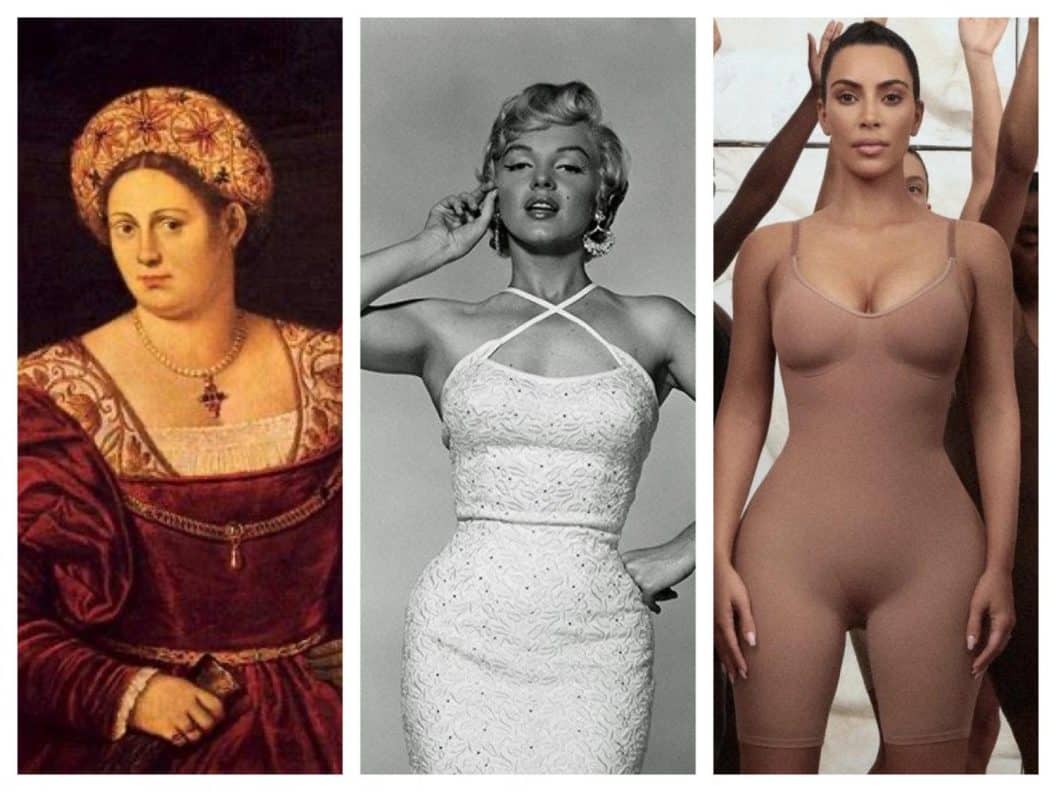
Global beauty ideals continue to evolve, influenced by shifting cultural narratives, technological advancements, and the increasing call for inclusivity. As societies become more interconnected, these standards reflect not just aesthetics but also values, aspirations, and identities.
By understanding their historical trajectory, we can embrace a more inclusive and empathetic perspective on beauty in all its forms.
Beauty is a timeless concept, yet its definition is ever-changing. Exploring its evolution reminds us of the rich interplay between culture, history, and individual expression that continues to shape our world today.



