4 Fair Trade Beauty Products We Recommend
Explore our recommendations for Fair Trade beauty products that ensure ethical sourcing and fair wages for farmers. Enhance your beauty routine while supporting sustainable practices.


Explore our recommendations for Fair Trade beauty products that ensure ethical sourcing and fair wages for farmers. Enhance your beauty routine while supporting sustainable practices.

Explore top vegan skincare brands that offer cruelty free, natural, and effective skincare solutions. Embrace a vegan skincare routine for radiant and healthy skin.

The beauty industry is evolving with zero waste packaging solutions like refillable containers and biodegradable materials. These innovations are reducing waste and promoting sustainability.

The rise of cruelty-free makeup brands in the Philippines reflects a shift towards ethical beauty practices. Brands like Human Nature and Ellana Mineral Cosmetics lead the way with high-quality, natural products.

Throughout history, hairstyles have been significant in fashion, identity, and social status. Modern revivals blend past and present, celebrating cultural heritage and contemporary innovation.

Omi Verdio UV Moisture Gel SPF 50+ provides strong UVA and UVB protection in a lightweight, non-greasy formula that blends seamlessly into all skin tones. Its hydrating ingredients ensure your skin stays moisturized and comfortable throughout the day.

Beauty standards have varied widely across cultures and centuries, influenced by historical events, societal norms, and cultural practices. In the Philippines, lighter skin and a slim but curvy figure are often admired, reflecting a blend of indigenous values and Western influences.
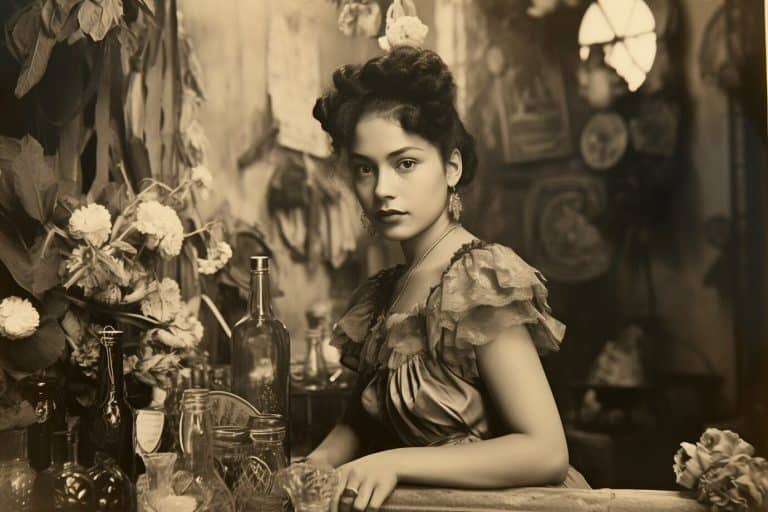
Victorian era beauty rituals and etiquette were steeped in tradition, emphasizing elegance and refinement. From elaborate skincare routines to strict social norms, these practices shaped the ideals of 19th-century beauty.

Indigenous cultures around the world have developed unique beauty and adornment practices that are deeply intertwined with their heritage and beliefs. From Maori tattoos to Himba body paste, these traditions reflect cultural identity and social status.

Explore the transformation of makeup from ancient to modern times by comparing five historical ingredients with their contemporary counterparts. Learn how advancements in science have revolutionized these timeless beauty practices.

The 20th century witnessed significant shifts in beauty standards, driven by cultural and societal changes. Each decade introduced unique styles, from the modest looks of the 1900s to the bold statements of the 1980s.

The Renaissance era was marked by distinctive beauty practices, including the pursuit of fair skin and high foreheads, which symbolized nobility and intelligence. Elaborate hairstyles and the use of natural cosmetics also defined this period’s unique approach to aesthetics.