Table of Contents

If you’re considering semi-permanent makeup for your eyebrows, you’ve probably come across the debate around ombre brows and microblading. Both treatments aim to enhance your natural brows, correct sparse areas, and help you achieve perfect brows with less daily makeup.
However, microblading and ombre brows use very different techniques to deposit pigment into the skin, which affects everything from the final appearance to how long the results fade. Your skin type, skin tone, and overall brow goals all play a role in deciding which treatment is right for you.
Understanding the key differences between these two popular techniques will help you make an informed choice before booking a microblading session with a professional brow artist.
Ombre vs Microblading: Understanding the Key Differences
When comparing ombre brows and microblading, the main difference comes down to the technique used and the type of appearance each treatment creates.
Microblading focuses on replicating hair-like strokes to mimic real eyebrow hairs. A technician uses a handheld tool with a small blade to draw individual strokes that follow the natural shape, tail, and direction of your hair.
In contrast, ombre powder brows use a shading technique. Instead of drawing brow strokes, the artist gradually layers pigment to create a gradient effect. The front of the eyebrows appears soft and lighter, while the tail becomes slightly darker, producing a filled-in appearance similar to eyebrow powder.
Because the ombre brows technique focuses on depositing pigment in the upper layers of the skin, it tends to create a smooth, natural-looking makeup effect. Unlike microblading, which imitates natural strokes, ombre powder creates a subtle, blended finish.
Main Differences of Microblading vs Ombre for Different Skin Types (Including Dry Skin and Oily Skin)
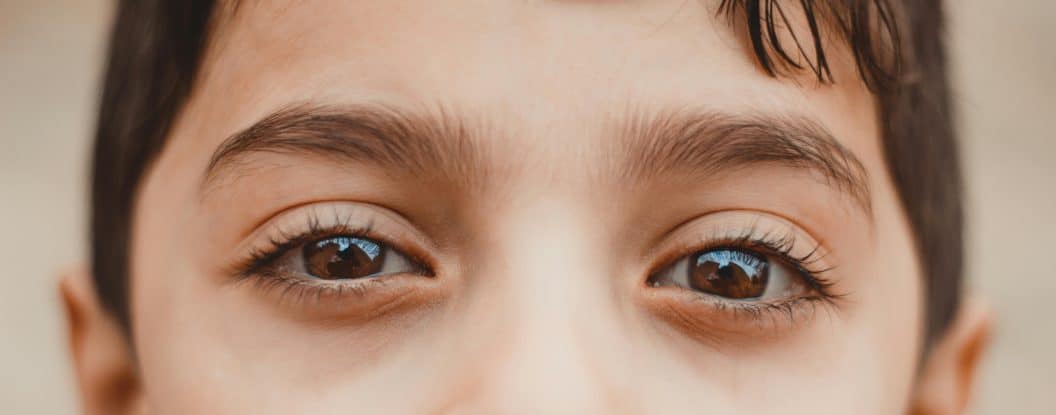
Your skin type plays a major role when deciding between microblading vs ombre brows.
For individuals with dry skin, microblading often produces very crisp strokes that heal beautifully. The strokes remain visible and can create extremely natural-looking brows.
However, oily skin can cause microblading eyebrows to blur as the pigment spreads during the healing process. Over time, the hair-like strokes may merge together and appear darker, which can affect the healed results.
This is why many brow artist professionals recommend ombre brows or powder brows for clients with oily or combination skin. The ombre method creates a more stable result because the pigment is softly layered rather than etched into the skin with a blade.
Microblading Brows vs Ombre Powder Brows: The Desired Look
Another important factor in the decision is the desired look.
If your goals include natural-looking brows that mimic real hair, microblading brows may be the better option. The microblading technique recreates strokes, making the final appearance subtle and realistic.
On the other hand, if you prefer a filled-in or makeup-style finish, ombre brows may be ideal. The ombre powder effect creates a polished, softly bold look that resembles expertly applied brow powder.
Many people who previously filled their eyebrows daily with pencil or powder choose ombre powder brows because the appearance closely matches their usual routine.

Can You Combine Both Microblading and Ombre Brows?
Yes, many clients choose microblading and ombre together. This combination technique blends both microblading hair strokes with ombre shading to create depth and dimension. The microblading strokes are placed in the front of the brows to mimic hair, while the ombre shading fills the rest for a soft gradient effect.
Because microblading and ombre brows work together, the result often looks fuller while still remaining natural-looking. For clients with sparse areas or uneven shapes, combining microblading and ombre can provide the most balanced appearance.
The Healing Process and Aftercare Instructions
The healing process for semi-permanent brow treatments is similar for both procedures, though there are small differences.
After a microblading session or ombre brows treatment, the brows may appear darker during the first few days as the pigment settles into the skin. Light scabbing and peeling are part of proper healing.
Following the right aftercare is essential to protect the pigment and achieve the best healed results.
Typical guidelines for either technique include:
- Avoid excessive moisture on the brows
- Skip heavy workouts for several days
- Do not pick or scratch the skin
- Follow the ointment routine recommended by your brow artist
Proper aftercare instructions help prevent uneven fade and ensure the results match your expectations.
Does Microblading Eyebrows Last Longer Than Ombre Brows?
Both semi-permanent treatments gradually fade over time, but longevity depends on several factors such as skin type, lifestyle, and sun exposure.
Typically:
- Microblading may require more frequent touch-ups
- Ombre powder brows often last slightly longer
- Some clients need frequent touch-ups every 12–18 months
Because oily skin can break down pigment faster, clients with oilier complexions may notice microblading results fading more quickly. Regular touch-ups help maintain the shape, color, and overall appearance of your brows.
Microblading and Ombre: Which Should You Choose?
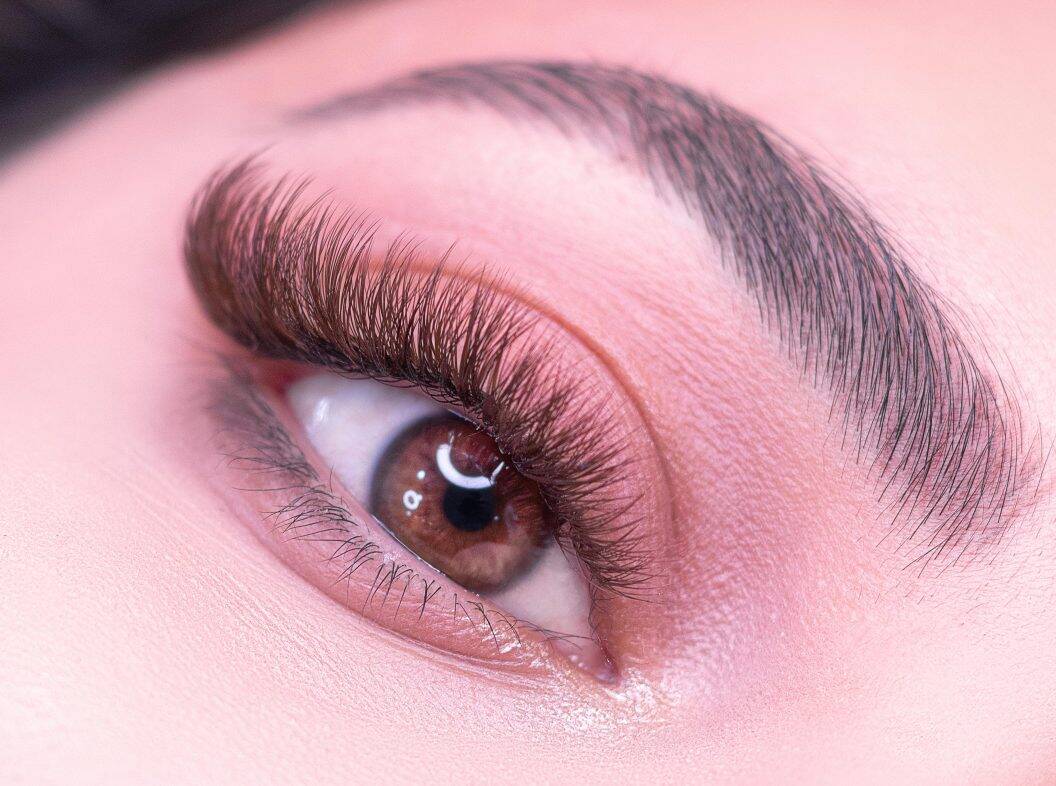
Choosing between microblading and ombre ultimately depends on your preferences. Consider these factors before deciding:
- Your skin type (especially if you have oily skin)
- Your skin tone and complexion
- Whether you prefer natural brows or a bold filled-in appearance
- Your maintenance tolerance for touch-ups
Consulting with a skilled brow artist can help determine which technique will best enhance your natural features and help you achieve your ideal brows.
Final Thoughts
When it comes to ombre vs microblading, neither option is universally better. Each semi-permanent makeup technique has its own set of benefits.
Microblading creates natural-looking brows with delicate individual hair strokes, while ombre brows offer a soft gradient effect that resembles professionally applied brow powder.
Understanding the key differences, considering your skin, and working with an experienced brow artist will help you make the best-informed choice for achieving perfect brows.