
Table of Contents

The postpartum period brings joy, challenges, and countless changes, both emotionally and physically. One of the most noticeable adjustments for new mothers is postpartum skin changes. Hormonal shifts, stress, and lack of sleep can affect skin tone, texture, and overall skin health.
Establishing a postpartum skincare routine not only supports healthy skin but also helps new moms regain confidence during this important stage of postpartum recovery.
Understanding Postpartum Skin
After giving birth, many women experience increased skin sensitivity, postpartum acne, dry skin, or uneven skin tone. These skin issues are influenced by hormonal changes after pregnancy, stress-induced hair shifts, and adjustments in sebaceous glands.
While some women miss the pregnancy glow, others may see dark patches, acne breakouts, or stretch marks. Understanding postpartum skin changes is the first step toward building an effective skincare routine that restores balance and supports overall health.
Complete Routine for Postpartum Skin Care
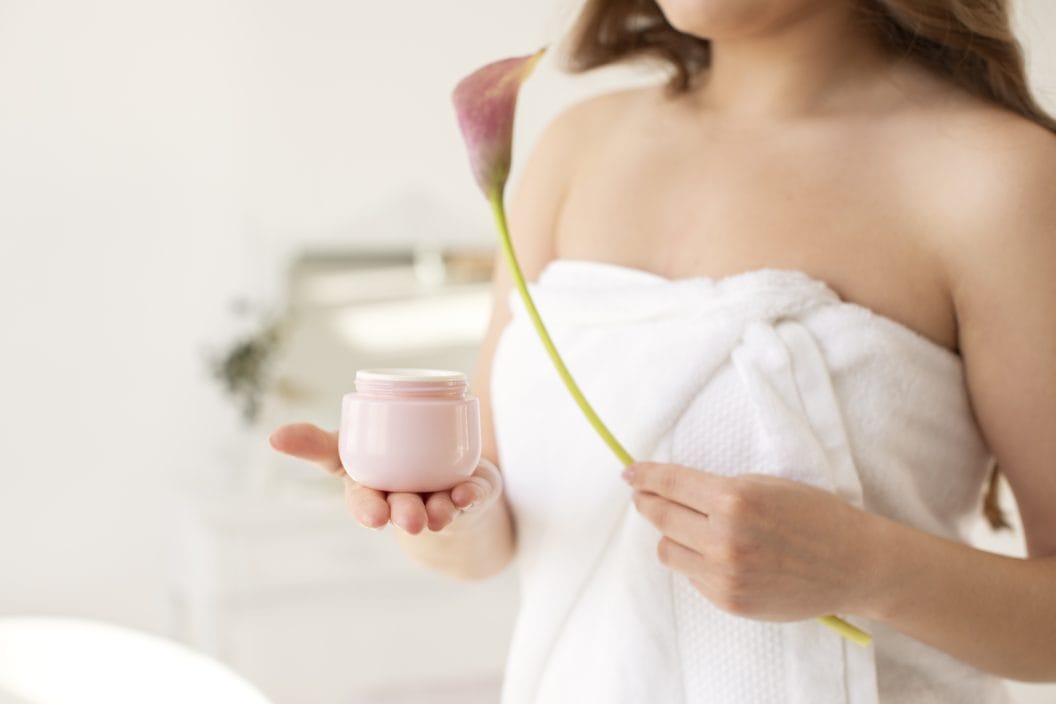
Gentle Cleanser: The Foundation of Postpartum Skin Care
A skincare routine should always begin with gentle cleansing, especially after pregnancy. New moms should avoid harsh or fragrance-based cleansers, which may trigger allergic reactions during the postpartum period.
A mild cleanser or pH-balanced face wash helps remove impurities without disrupting the skin barrier. For sensitive skin, fragrance free options or products with natural oils like aloe vera or shea butter can be soothing.
Hyaluronic Acid for Deep Hydration
Hydration is key in postpartum skincare, especially with increased sensitivity and dry skin. Hyaluronic acid is a powerful skincare ingredient that locks in moisture, restores plumpness, and supports skin radiance.
When hyaluronic acid is paired with products such as vitamin E, cocoa, or shea butter, it strengthens the skin barrier and improves uneven texture developed during pregnancy.
Vitamin C and Lactic Acid for Targeting Dark Spots and Achieving Glowing Skin
To combat dark spots and dullness after pregnancy, vitamin C serums and lactic acid treatments are safe, effective choices for many new moms. These skincare products help brighten the complexion and promote glowing skin while boosting collagen production.
However, it’s important to avoid aggressive chemical treatments when breastfeeding your baby. A patch test is always recommended to prevent allergic reactions.
Broad Spectrum Sunscreen: Daily Sun Protection
Sun protection is essential during the postpartum period, particularly when dealing with uneven skin tone, dark patches, or spots. A broad-spectrum sunscreen shields the skin from UV rays, reducing damage and preventing worsening pigmentation.
New moms should look for mineral-based sunscreens that are breastfeeding safe and avoid harsh chemical sunscreens to protect the skin, as well as both the new baby and the mother.
Targeting Dark Circles and Puffy Eyes
Sleep deprivation is one of the most common skin concerns in postpartum life. Dark circles, puffiness, and dull skin often appear due to lack of rest and hormonal changes after pregnancy.
A night cream with hydrating products, vitamin E, or aloe vera can help reduce puffiness. Cooling eye gels and a gentle massage may also relieve swollen eyes.
Gentle Cleansing and Nourishing Products for Sensitive and Dry Skin
Beyond face care, body care plays a major role in postpartum skincare. Stretch marks, uneven skin texture, and dry skin can be addressed with products like shea or cocoa butter and natural essential oils.
Gentle skin cleansing with fragrance-free body washes prevents irritation, while moisturizing creams support skin barrier repair and restore skin softness post-pregnancy.
Common Concerns After Giving Birth: Hair Loss, Stretch Marks, and Acne
After giving birth, many new mothers experience stress-induced hair loss and postpartum acne. These hair and skin changes are natural results of hormonal shifts in the body after pregnancy and will often balance out within a few months.
Hair loss during the postpartum period usually peaks around three to six months after giving birth. This happens because pregnancy hormones that kept hair in a prolonged growth phase begin to stabilize, causing more strands to shed at once.
While this can feel alarming, it is temporary and typically resolves within a few months after pregnancy. To care for your hair, focus on cleansing, avoid harsh chemical treatments, and use nourishing products. Maintaining overall health, reducing stress, and ensuring a nutrient-rich diet can also help support hair regrowth.
For acne breakouts and other skin concerns, ingredients like salicylic acid or benzoyl peroxide may be helpful as part of a postpartum skincare routine, but always confirm with a healthcare professional to ensure they are safe when breastfeeding your baby. You should also conduct a patch test to see how your skin reacts to these ingredients.
Stretch marks are another common skin concern during the postpartum period. They typically appear on the abdomen, thighs, and breasts as the skin recovers from pregnancy.
While it’s impossible to erase them from the body completely, products such as shea or cocoa butter, vitamin E, and natural oils can improve skin texture and reduce the appearance of uneven skin. Consistent hydration and gentle skin massages also support the skin barrier and promote healing over time, especially for those with sensitive skin.

Care for Your Skin with a Holistic Approach
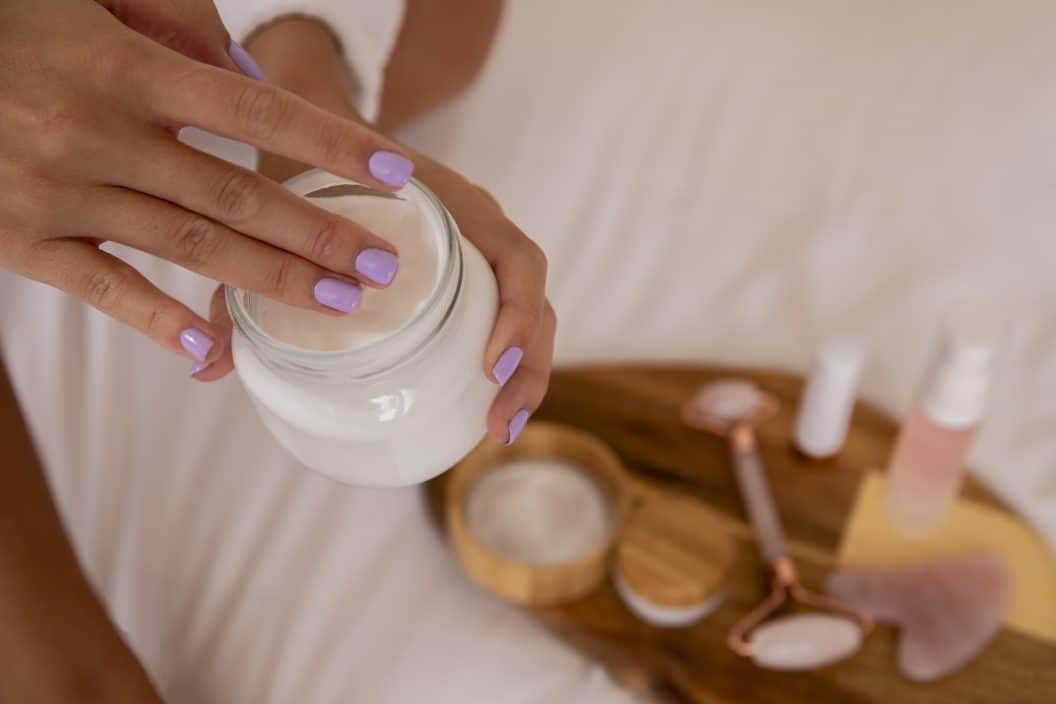
Caring for your skin after pregnancy goes beyond vitamin C, hyaluronic acid, salicylic acid, and other postpartum skincare products. Reducing stress, maintaining a balanced diet, and staying hydrated all contribute to healthy skin.
In addition to skin care, gentle exercise, mindfulness, and adequate rest help regulate post-pregnancy hormones and support postpartum recovery. Caring for your skin holistically ensures long-lasting results and restores confidence during post-pregnancy life.
What is the 5 5 5 Rule Postpartum?
The 5 5 5 rule is a holistic approach to recovery post pregnancy:
- 5 days in bed for rest and healing
- 5 days on the bed for light movement and bonding with your baby
- 5 days around the bed for gradual return to activity
This rule emphasizes resting the body, which also benefits postpartum skin. Adequate sleep reduces eye bags, puffiness, and stress-related breakouts while improving skin barrier repair.
How to Take Care of Postpartum Skin
Taking care of postpartum skin is about balance. Use nourishing skin products to restore hydration, protect against sun damage with broad-spectrum sunscreen, and be mindful of increased skin sensitivity.
Skincare routines post pregnancy should be simple, safe, and friendly for breastfeeding your baby, focusing on skin cleansing, hydration, and gradual recovery of both the skin and body.



