Table of Contents

Choosing a nail spa isn’t just about convenience or price. It directly affects your nail health, skin safety, and overall experience. Many people rely on quick visual impressions or social media photos, but those rarely tell you how safe or reliable a salon really is.
A good nail spa should combine hygiene, technical skill, and consistency. When even one of these areas falls short, the risk of infections, poor results, or long-term nail damage increases. Understanding what actually matters allows you to make better decisions instead of relying on guesswork.
What Defines a High-Quality Nail Spa Experience
Most advice online reduces nail salon selection to simple checklists, but that approach doesn’t reflect how real salons operate. In practice, quality shows through consistency, not isolated factors.
In the Philippines, the nail salon landscape is diverse. You’ll find mall-based chains, boutique studios, and home-service providers. Each operates differently, which means your expectations should adjust depending on the setup. A high-end salon may offer better ambiance, but that doesn’t automatically mean better hygiene. Similarly, a smaller studio can deliver excellent results if their processes are disciplined and consistent.
A reliable nail spa maintains standards even during peak hours. If service quality drops when the salon gets busy, that’s usually a sign of weak systems rather than staff limitations.
Nail Salon Hygiene and Cleanliness Standards
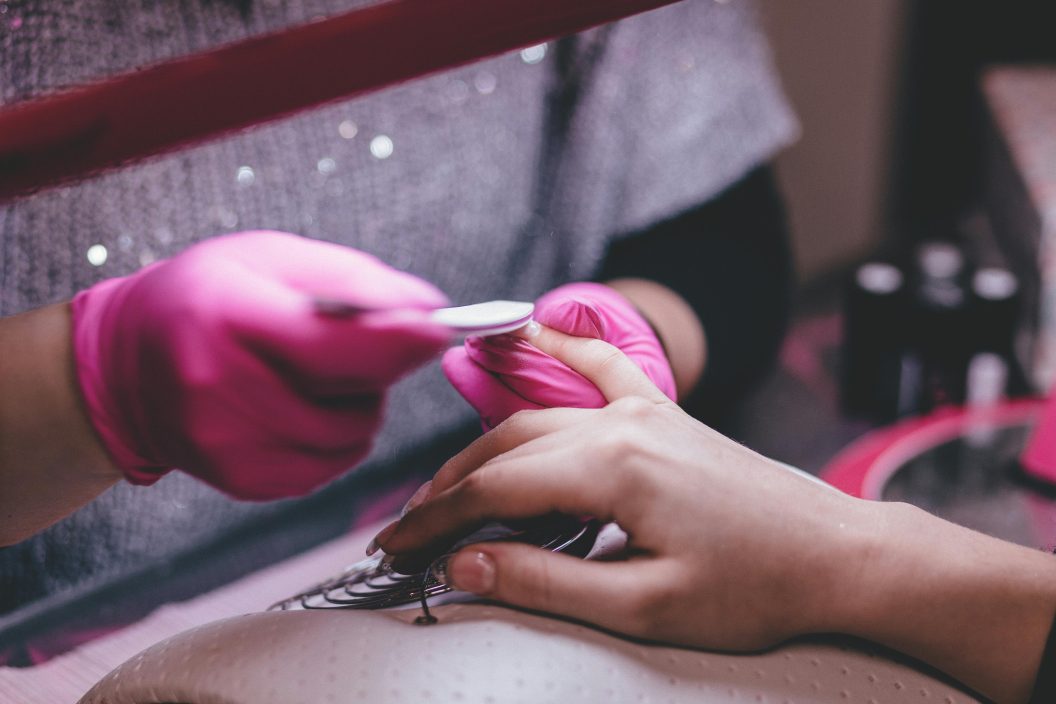
Hygiene is the most important factor, yet it’s often misunderstood. Clean-looking spaces don’t always mean clean practices.
Proper sanitation goes beyond wiping surfaces. Tools should be sterilized between clients using disinfectants or sterilization equipment. Metal tools should never be reused without proper cleaning, and disposable items like nail files or buffers should ideally be single-use.
You should also observe technician habits. Are they washing or sanitizing their hands between clients? Are tools taken from sealed pouches or openly reused? These small details reveal more than the overall appearance of the salon.
Foot spas are another critical area. If basins aren’t properly disinfected, bacteria can accumulate and increase the risk of infections. A clean nail spa maintains strict routines, not occasional cleaning.
Nail Technician Skills and Experience
Skill isn’t always visible until the service is finished, but there are early signs you can observe. In the Philippines, many nail technicians are trained on the job rather than through formal certification. That makes experience a key factor. However, experience alone isn’t enough if techniques haven’t been refined over time.
A skilled technician works efficiently without rushing. Their movements are controlled, and they don’t over-file or apply excessive pressure. Poor technique often leads to thinning nails, uneven surfaces, or discomfort during the session.
Communication also reflects skill level. A good technician asks about your preferences, explains options, and adjusts based on your nail condition rather than applying a one-size-fits-all approach.
Quality of Nail Products and Materials
The products used in a nail spa have a direct impact on both results and safety. Low-quality polish, gels, or acrylics can cause allergic reactions, premature chipping, or long-term nail damage.
High-quality salons tend to use reputable brands, even if they don’t advertise them heavily. You can often tell by how the product behaves. Smooth application, even color, and minimal strong odor are usually signs of better formulations.
Cheap products often require thicker layers or repeated applications, which increases drying time and reduces durability. Over time, this leads to more frequent visits and higher overall costs. If a salon avoids disclosing the brands they use or consistently produces inconsistent results, that’s usually a sign of cost-cutting in materials.
Pricing, Transparency, and Real Value
Pricing in the Philippines varies widely depending on location and service level. Mall salons often charge mid-range prices, while home-based services may be cheaper. Premium studios charge more but often justify it through better products and environments.
The key isn’t finding the lowest price. It’s understanding what you’re paying for. Extremely low prices usually mean compromises in hygiene, product quality, or technician time. Transparent salons clearly explain what’s included in a service. Hidden charges or unclear add-ons often indicate poor management practices. Over time, these small inconsistencies add up and affect your overall experience.
A well-priced service balances cost with consistency. You should feel confident that you’ll get the same level of quality every visit.
Customer Experience and Salon Environment
Comfort matters, but it shouldn’t be confused with quality. A visually appealing salon can still have poor processes behind the scenes. What matters more is how the salon operates. Are appointments managed properly, or do clients experience long, unpredictable wait times? Is the environment calm and organized, or does it feel rushed and chaotic?
Consistency in workflow is a strong indicator of professionalism. When a salon manages time well, technicians can focus on quality instead of rushing through services. The environment should support the service, not distract from it. Clean, organized, and well-maintained spaces tend to reflect better operational standards.
Reviews, Reputation, and Word-of-Mouth
Online reviews can be helpful, but they need to be interpreted carefully. High ratings don’t always reflect consistent quality. Look for patterns instead of isolated comments. Repeated mentions of poor hygiene, rushed service, or inconsistent results are more meaningful than one-off complaints. Similarly, consistent praise for cleanliness or skilled technicians carries more weight than generic positive reviews.
Word-of-mouth recommendations are often more reliable in the Philippines, especially when they come from people with similar preferences or expectations. If a salon has a strong reputation but recent reviews show declining quality, that’s worth paying attention to. Standards can change over time.
Safety Practices and Risk Prevention
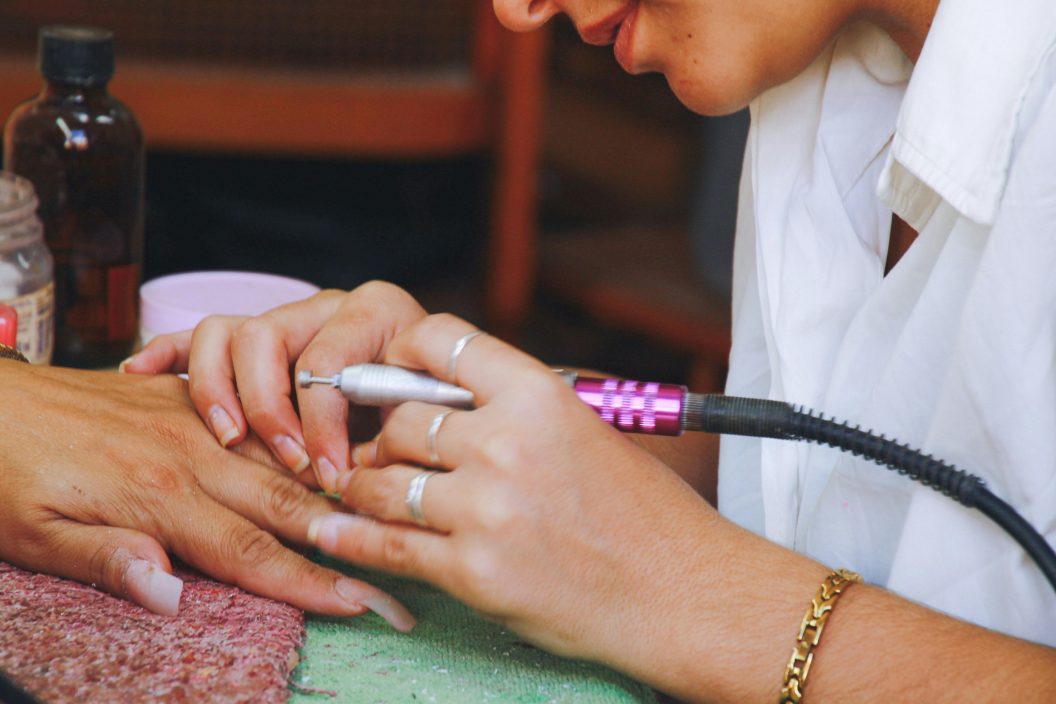
Nail services involve direct contact with skin and nails, which makes safety practices essential. Improper tool sanitation can lead to fungal infections or bacterial issues. Over-filing can weaken nails and cause long-term damage. Aggressive cuticle removal increases the risk of irritation or infection.
A safe salon avoids these risks through controlled techniques and strict hygiene protocols. Technicians should never cut excessively or cause discomfort during routine procedures. If you notice pain, bleeding, or strong chemical odors, it’s best to stop the service. These are signs that something isn’t being handled properly.
Final Decision Framework: How to Choose the Right Nail Spa
Choosing the right nail spa comes down to observing patterns, not isolated details.
A reliable salon maintains hygiene even during busy hours, uses consistent techniques, and delivers predictable results. It doesn’t rely on appearance alone to create a good impression. Instead, it builds trust through consistent service quality.
When evaluating a nail spa, focus on how it operates over time. One good visit doesn’t guarantee long-term reliability. Consistency is what separates a good salon from an average one.
Frequently Asked Questions
How do you know if a nail salon is clean?
You can tell by observing how tools are handled and how technicians behave between clients. Sterilized tools, proper hand hygiene, and clean workstations are strong indicators of real cleanliness, not just surface-level appearance.
Is it safer to go to mall nail salons in the Philippines?
Mall salons often have more standardized processes, but that doesn’t guarantee better hygiene. Smaller salons can be just as safe if they follow proper sanitation practices consistently.
Can you bring your own nail tools?
Yes, many salons allow this. Bringing your own tools reduces the risk of contamination, especially if you’re unsure about the salon’s sanitation practices.
What are the risks of a poorly managed nail salon?
Common risks include fungal infections, nail thinning, allergic reactions, and inconsistent results. These usually come from poor hygiene, low-quality products, or improper techniques.
How often should nail tools be sterilized?
Tools should be cleaned and disinfected after every client. Reusing tools without proper sterilization increases the risk of infections.