
Table of Contents

Fungal acne can be frustrating because it often looks like regular acne but behaves very differently. Many people spend months trying traditional acne treatment methods without realizing they’re dealing with a fungal infection caused by Malassezia yeast.
Unlike typical breakouts, fungal acne — also known as pityrosporum folliculitis — does not respond well to common treatments like benzoyl peroxide or heavy moisturizers containing certain fatty acids. Instead, it requires a carefully selected skincare routine built around fungal acne-safe products.
The good news is that the right ingredients and products can make such a difference. By choosing the correct fungal acne-safe products, you can improve skin texture, reduce active acne, and support better skin.
Below are some of the best skincare products for fungal acne, along with the ingredients that help keep breakouts under control.
Understanding Fungal Acne and Pityrosporum Folliculitis
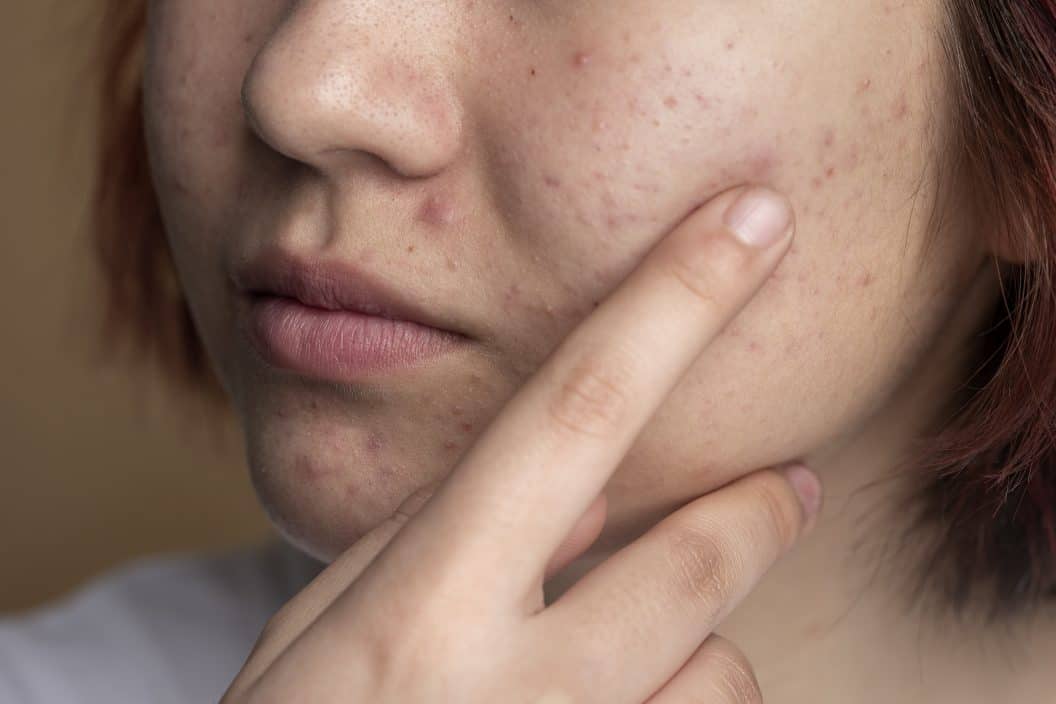
Fungal acne occurs when Malassezia yeast grows excessively inside hair follicles. This can cause small, uniform bumps that often appear on the forehead, chest, or back.
Because fungal acne is technically an infection, traditional treatments often fail to improve the condition. In fact, some heavy moisturizers or makeup formulas can worsen fungal acne breakouts, especially for people with clog-prone skin or combination skin.
This condition is closely related to seborrheic dermatitis, another skin issue triggered by yeast overgrowth. Common triggers include:
- Humid environments
- Sweating and tight clothing
- Heavy oils and pore-clogging ingredients such as isopropyl palmitate
- Harsh skincare products
Once you understand the cause of fungal acne, selecting the right products becomes much easier.
Best Fungal Acne Safe Products for Cleansing
Cleansing is the foundation of any effective fungal acne-safe skincare routine. Choosing a gentle cleanser helps remove oil and debris without feeding yeast growth.
Look for foaming cleanser or creamy cleanser formulas that contain fungal acne-safe ingredients and avoid heavy oils.
Ingredients that work well for fungal acne include:
- Salicylic acid for unclogging pores and improving texture
- Zinc pyrithione or pyrithione zinc, which can help control yeast
- Selenium sulfide, often used in treatments for fungal conditions
- Mild citric acid for exfoliation
A double cleanse method can also be beneficial, especially for those who wear makeup. Start with a lightweight cleanser to remove sunscreen and cosmetics, then follow with a gentle cleanser that targets buildup and excess oil.
Calming Gel Cream Moisturizers with Hyaluronic Acid for Fungal Acne Safe Hydration
Hydration is essential when treating fungal acne because damaged skin can worsen breakouts.
A lightweight calming gel cream moisturizer is often ideal for sensitive skin and combination skin, since these formulas hydrate without clogging pores.
Look for fungal acne-safe products containing ingredients such as:
- Hyaluronic acid or sodium hyaluronate to hydrate skin
- Beta-glucan to soothe irritation and strengthen the skin
- Tea tree extract to calm inflammation
- Rice bran water to nourish and support the skin
These ingredients provide moisture while maintaining fungal acne-safe formulations that won’t feed yeast growth.

Azelaic Acid Treatments for Fungal Acne and Dark Spots
Azelaic acid is one of the most versatile fungal acne-safe ingredients. It helps reduce inflammation, improve texture, and address spots left behind by breakouts.
Some people also combine it with vitamin C to help brighten the skin and promote a more even tone, especially if fungal acne has caused lingering discoloration.
Azelaic acid works well for sensitive skin and can be incorporated into both morning and evening routines. It also helps with redness related to seborrheic dermatitis. Many dermatologists recommend azelaic acid because it supports smoother, clearer skin without encouraging yeast growth.
Chemical Exfoliants That Improve Skin Texture
Gentle exfoliation can help remove dead skin cells that trap yeast and oil inside pores. When choosing fungal acne-safe chemical exfoliants, focus on ingredients that support gentle exfoliation rather than harsh scrubs.
Good options include:
- Salicylic acid for clearing clogged pores
- Tranexamic acid for brightening and improving discoloration
- Vitamin C for supporting clearer, brighter skin
These ingredients improve the texture of the skin, help reduce active acne, and promote better skin when used consistently.
Green Tea and Beta Glucan Soothing Ingredients
Soothing ingredients are important for calming inflammation associated with fungal acne. Many fungal acne-safe products include ingredients like green tea, green tea extract, and beta-glucan because they help reduce irritation and strengthen the skin barrier.
Other beneficial ingredients include:
- Propolis extract for calming irritated skin
- Snail secretion filtrate to support skin repair
- Hydrolyzed collagen for hydration and improved skin feel
These ingredients can make a noticeable difference in overall skin comfort and recovery.
Active Ingredients That Help Treat Fungal Acne
When selecting fungal acne-safe products, it’s important to focus on ingredients that control yeast growth without damaging the skin.
Common ingredients used in fungal acne treatment include:
- Zinc pyrithione
- Selenium sulfide
- Tea tree oil and tea tree extracts
- Salicylic acid
Tea tree oil is particularly popular in fungal acne-safe products because it has natural antimicrobial properties that help control yeast levels.
However, it’s important to use these treatments carefully to avoid damaging the skin barrier.
Ingredients to Avoid if You Have Fungal Acne
Many common skincare ingredients can worsen fungal acne by feeding yeast growth.
People with clog-prone skin should avoid:
- Certain oils and fatty acids
- Heavy creams not labeled as a fungal acne-safe product
Even popular moisturizers like CeraVe cream may not always work for fungal acne-prone individuals due to certain ingredient combinations.
Reading labels carefully helps ensure your skincare products contain FA-safe ingredients that won’t worsen the condition.
Building a Fungal Acne Safe Skincare Routine
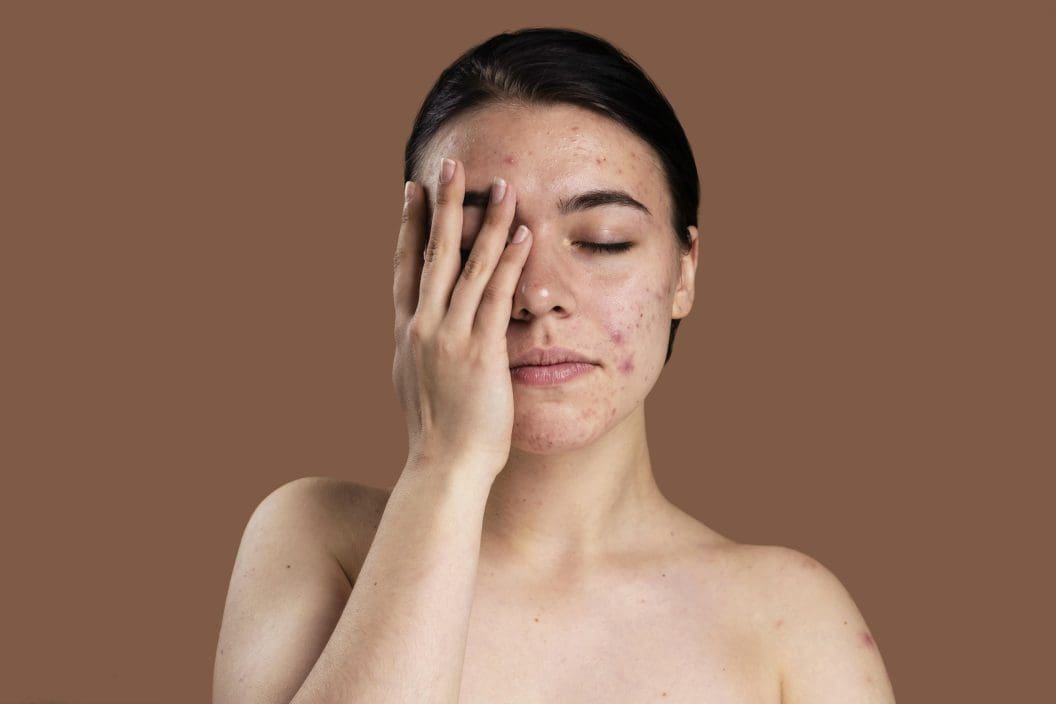
A simple routine is often the most effective when managing fungal acne. A basic routine might include:
- A gentle cleansing gel (don’t forget to double cleanse to remove makeup)
- A lightweight gel or cream moisturizer with hyaluronic acid
- Targeted treatments such as azelaic or salicylic acid
- Optional soothing ingredients like green tea extract
- Vitamin C serum in the morning to help brighten the skin and support a healthier overall complexion.
Consistency is key. With the right fungal acne-safe products, many people notice smoother skin, fewer breakouts, and an overall healthier glow.
Final Thoughts
Choosing the right products for fungal acne can transform your skincare routine. By focusing on fungal acne-safe products, avoiding yeast-feeding ingredients, and incorporating beneficial ingredients, it’s possible to control breakouts and restore balance to the skin.
Ingredients like hyaluronic acid, azelaic acid, and green tea extract support hydration and calming, while treatments such as salicylic acid, zinc pyrithione, and selenium sulfide help address the underlying infection.
With patience and the right routine, many people see significant improvements in texture, reduced acne, and clearer, healthier-looking skin.
Frequently Asked Questions
What are the characteristics of a fungal acne-safe product?
A fungal acne-safe product avoids ingredients that feed the yeast responsible for fungal acne. Many traditional skincare formulas contain oils, esters, or certain fatty compounds that can worsen the condition, which is why choosing fungal acne-safe products is essential.
When selecting products, look for lightweight formulas that contain fungal acne-safe ingredients and avoid heavy emollients. Many dermatology-focused brands now label items specifically as fungal acne-safe, making it easier to build a routine around products that support a clearer complexion.
Is salicylic acid safe for fungal acne?
Yes, salicylic acid can be helpful when managing fungal acne, especially when it appears alongside traditional acne breakouts. Salicylic acid works by exfoliating inside pores and improving texture, which can help reduce clogged follicles associated with fungal acne.
However, salicylic acid works best when used alongside fungal acne-safe products that do not contain ingredients that feed yeast. When combined with the right fungal acne-safe routine, it can help keep pores clear and reduce flare-ups.
Why is benzoyl peroxide not always effective as a fungal acne-safe product?
Although benzoyl peroxide is a popular treatment for acne, it is designed to target bacteria rather than the yeast that causes fungal acne. Because of this difference, benzoyl peroxide may not always improve fungal acne symptoms.
Many dermatologists instead recommend focusing on fungal acne-safe products while avoiding ingredients that worsen fungal acne. A routine built around fungal acne-safe skincare items is often more effective for managing this condition.
Can regular skincare products trigger fungal acne?
Yes, certain skincare products can trigger fungal acne, especially if they contain ingredients that feed the yeast responsible for the condition. Oils, esters, and certain fatty ingredients may worsen breakouts for people prone to fungal acne.
Switching to fungal acne-safe products can help reduce flare-ups. Many fungal acne-safe products are formulated without yeast-feeding ingredients, making them a better option for maintaining a clearer complexion and preventing recurring fungal acne.
How do you know if a skincare regimen is fungal acne safe?
A fungal acne-safe routine focuses on ingredients that will not feed the yeast responsible for fungal acne. When reviewing ingredient lists, it is helpful to prioritize fungal acne-safe products and avoid heavy oils or pore-clogging ingredients.
Building a routine around fungal acne-safe products ensures that your skincare supports healthy skin without worsening the condition. Many people find that once they switch entirely to fungal acne-safe products, their skin becomes calmer and breakouts become easier to manage.
Can fungal acne-safe products improve overall skin health?
Absolutely. While designed for fungal acne, many fungal acne-safe products are also beneficial for improving hydration, strengthening the barrier, and supporting a smoother texture.
Because fungal acne-safe products tend to avoid heavy pore-clogging ingredients, they can be beneficial for people prone to both fungal acne and other breakouts. Over time, using fungal acne-safe products may help maintain a clearer and more balanced complexion while preventing future flare-ups.
Can people with combination skin still use fungal acne-safe products?
Yes, people with combination skin can absolutely benefit from fungal acne-safe products. Because fungal acne often appears in oilier areas of the face, such as the forehead and T-zone, individuals with combination skin may find that switching to fungal acne-safe products helps reduce congestion while still maintaining hydration.
Many fungal acne-safe products are lightweight and breathable, which makes them suitable for combination skin and other skin types that need a balance between hydration and oil control.
Are fungal acne-safe products necessary even after breakouts improve?
Yes, continuing to use fungal acne-safe products is important even after fungal acne improves. The yeast responsible for fungal acne naturally exists, which means flare-ups can return if skincare products feed that yeast.
Maintaining a routine built around fungal acne-safe products helps prevent future outbreaks. Many people notice long-term improvements when they consistently use fungal acne-safe products as part of their daily skincare regimen.
Should you replace all your skincare products if you have fungal acne?
In many cases, replacing some skincare products with fungal acne-safe products can make a noticeable difference. If your routine includes ingredients that worsen yeast overgrowth, continuing to use them may keep fungal acne active.
Transitioning gradually to fungal acne-safe products helps create a routine that supports a clearer complexion while minimizing ingredients that can worsen fungal acne. Over time, many people notice improved texture and fewer breakouts when they rely on fungal acne-safe products designed specifically for this condition.



