
Table of Contents

6 Cultural Bridal Makeup Traditions and Techniques in the Philippines

Bridal makeup in the Philippines is a beautiful blend of tradition, culture, and regional diversity. Across the country, various indigenous tribes, ethnic groups, and modern Filipino brides practice unique techniques and styles to honor their heritage while embracing contemporary beauty standards.
These traditions reflect the bride’s individuality and represent the rich, multifaceted cultural landscape of the Philippines.
Filipino Cultural Bridal Makeup Traditions
1. Kalinga Tribal Makeup: Bold and Symbolic

The Kalinga people of northern Luzon are known for their striking tribal makeup, which often features bold facial tattoos, especially for brides of higher social standing. These tattoos, known as “batek,” are seen as a rite of passage and a symbol of beauty and bravery.
While modern Kalinga brides may not undergo traditional tattooing, their makeup often incorporates elements that reflect these ancient customs, using bold pigments and earthy tones to honor their ancestry.
2. Maranao Bridal Makeup: Elegant and Royal-Inspired
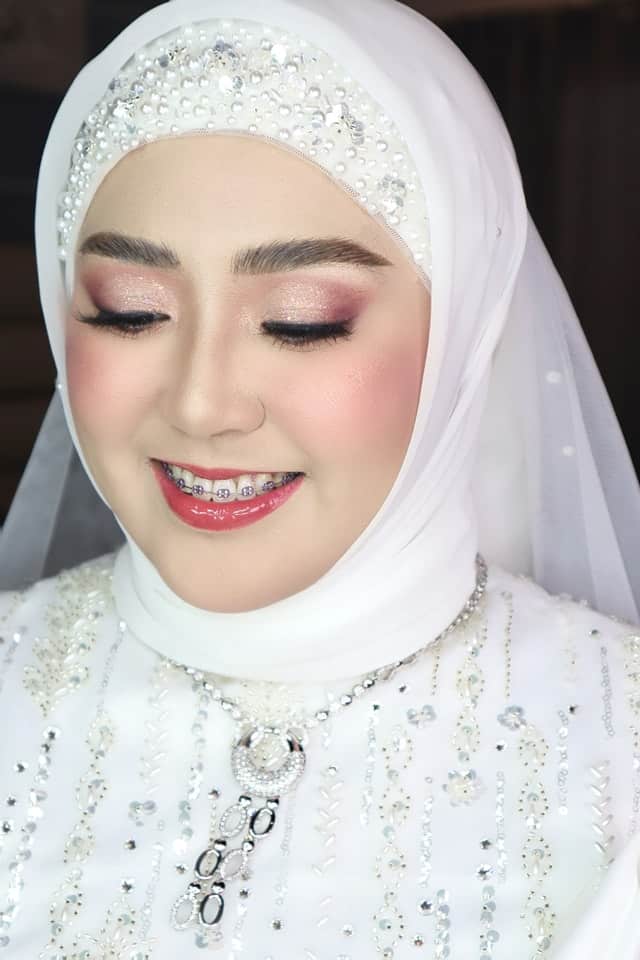
The Maranao people of Mindanao have a strong connection to royalty, which is often reflected in their bridal makeup. Maranao brides are adorned in rich, colorful textiles, and their makeup complements these garments with elegant gold accents and dramatic eye looks.
Inspired by the grandeur of the Maranao royalty, makeup techniques involve emphasizing the eyes using kohl, a traditional black eyeliner, and shimmering gold eyeshadow to create a regal appearance. Bold red or deep-toned lip colors complete the look, symbolizing strength and passion.
3. Ivatan Bridal Makeup: Natural and Minimalist
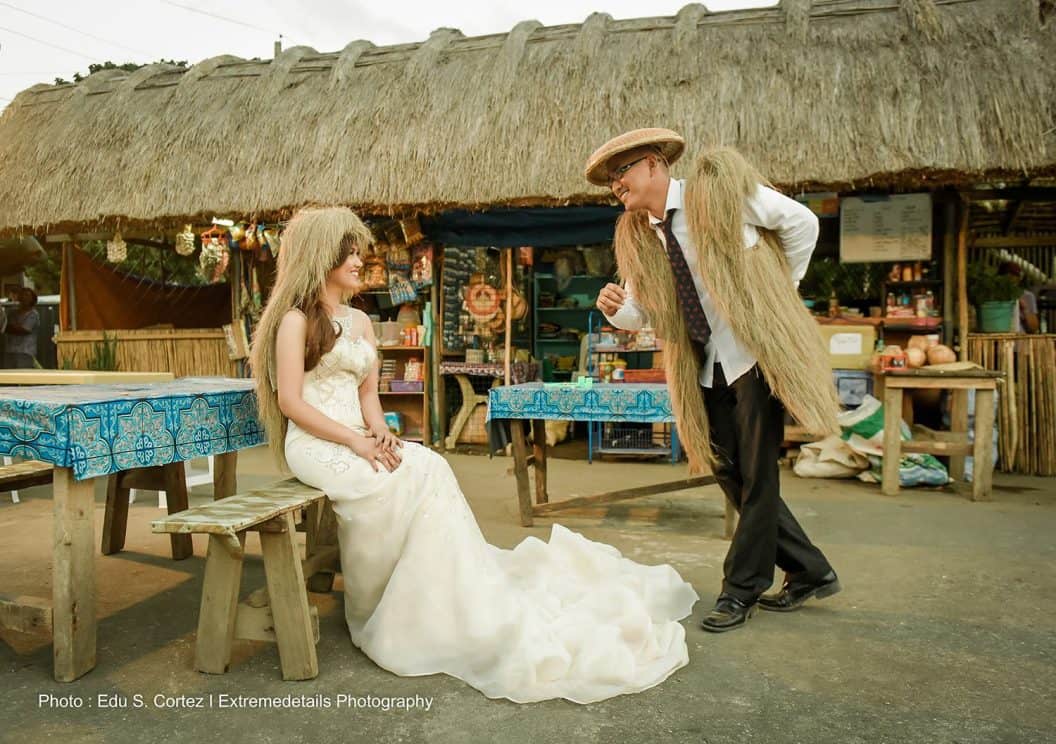
In contrast to the more elaborate styles, Ivatan brides from the Batanes islands prefer a more natural and minimalist approach to makeup. Ivatan bridal makeup focuses on enhancing the bride’s natural beauty, reflecting the simplicity of their rural and seafaring lifestyle.
Light, dewy foundations, soft peach or pink tones, and barely-there eye makeup are key elements, creating a fresh, ethereal look that echoes the Ivatan connection with nature.
4. Tagalog and Kapampangan Makeup: A Fusion of East and West

Central Luzon’s Tagalog and Kapampangan bridal makeup styles are a harmonious fusion of Eastern and Western beauty traditions. These regions have long histories of colonial influence, and modern brides often mix Western techniques such as contouring, highlighting, and precise brow shaping with Filipino beauty standards like clear, glowing skin.
Brides typically choose a clean, radiant complexion with soft, romantic hues on the lips and cheeks, creating a timeless, classic look.
5. Visayan Bridal Makeup: Bold Lips and Playful Colors

Brides from the Visayas region are known for their love of color. Visayan bridal makeup often features vibrant hues on the lips and cheeks, with bolder, more playful palettes than typically seen in other regions.
Hot pinks, oranges, and coral shades dominate, bringing joy and celebration to the overall bridal aesthetic. The makeup is designed to stand out, complementing Visayan weddings’ lively, festive nature.
6. Modern Filipino Bridal Makeup: A Blend of Tradition and Trend
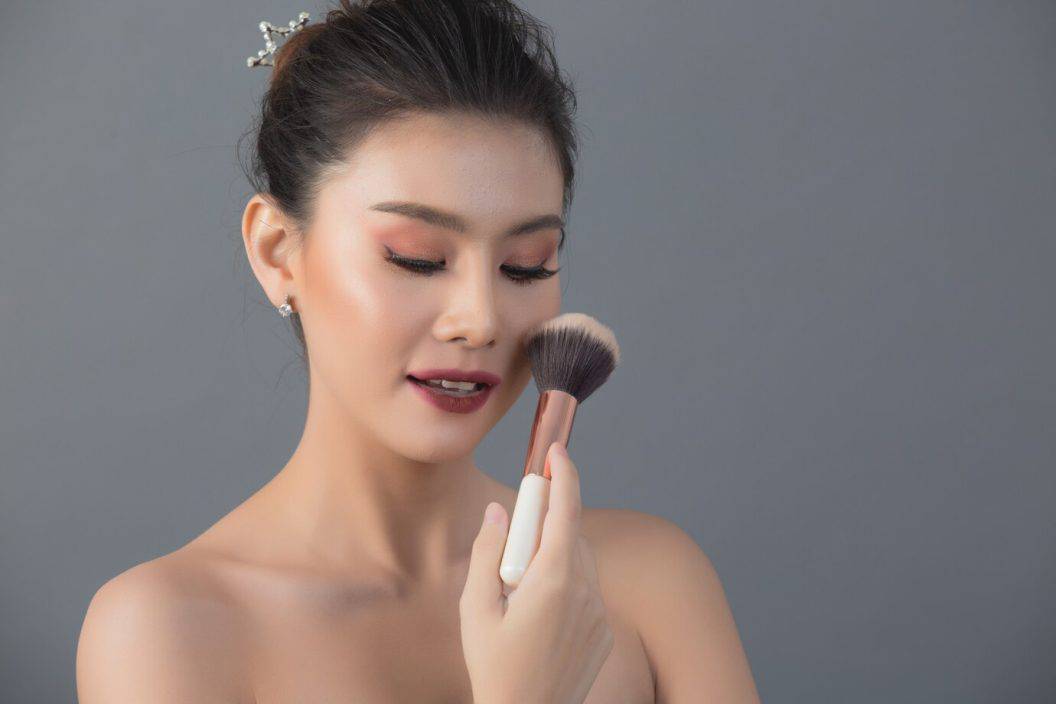
While many Filipino brides today draw inspiration from their cultural heritage, they also incorporate global makeup trends to create a unique and modern bridal look. Contemporary Filipino bridal makeup often emphasizes flawless skin, soft contouring, and neutral tones, with just a hint of shimmer for a radiant glow.
Brides may also opt for false lashes and dramatic eyeliner to add depth to their eyes, combining these modern touches with elements of their region’s traditional makeup techniques.
Celebrating Diversity Through Cultural Bridal Makeup
Bridal makeup traditions in the Philippines are as diverse as the islands. Each region’s distinct style reflects its history, beliefs, and cultural practices.
For modern brides, makeup is not just about looking beautiful on their wedding day; it is a way to honor their heritage and carry forward the legacy of their ancestors while also embracing the beauty trends of today.



