Table of Contents

Minimally invasive skin rejuvenation procedures occupy the space between a daily skincare routine and cosmetic surgery. They can target changes that topical products may struggle to address, while generally requiring less recovery than surgical procedures.
That doesn’t mean they’re interchangeable or automatically low-risk. A laser resurfacing treatment works very differently from microneedling, an injectable, or an ultrasound-based procedure. Each targets particular structures in the skin, produces different degrees of change, and comes with its own recovery period and potential complications.
For patients in the Philippines, treatment selection also requires careful consideration of skin tone, sun exposure, heat, humidity, and the risk of post-inflammatory hyperpigmentation. Rather than choosing whatever procedure is currently trending online, it makes more sense to start with the concern you actually want to treat.
What Counts as Minimally Invasive Skin Rejuvenation?
Skin rejuvenation is a broad term for treatments intended to improve the appearance or quality of the skin. Depending on the procedure, that may involve addressing fine lines, pigmentation, rough texture, enlarged-looking pores, acne scars, volume changes, or skin laxity.
“Minimally invasive” can cover a surprisingly wide spectrum. Some procedures create tiny controlled injuries in the skin, while others use needles to place injectable products beneath it. Energy-based treatments may deliver radiofrequency, laser light, or ultrasound without conventional surgical incisions.
Recovery can therefore range from mild redness lasting a short period to several days or longer of swelling, peeling, crusting, or sensitivity.
The distinction matters because “non-surgical” doesn’t mean “no downtime,” and “minimally invasive” doesn’t mean risk-free. A procedure that sounds simple can still cause burns, infection, scarring, pigment changes, or other complications when used incorrectly.
Minimally Invasive Skin Rejuvenation Procedures to Consider Trying
Microneedling
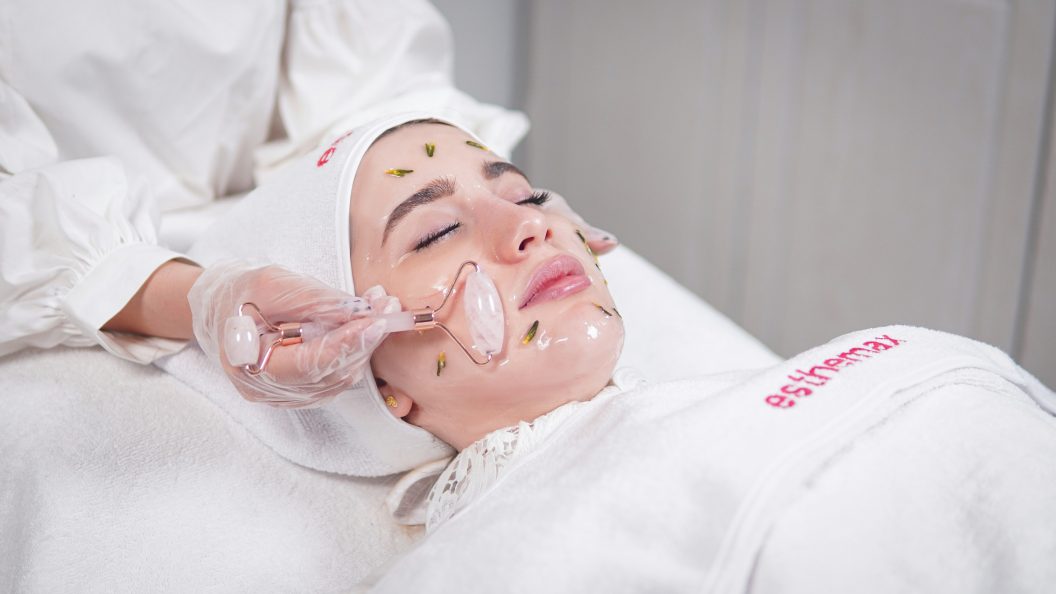
Microneedling uses multiple fine needles to create controlled microscopic injuries in the skin. The healing response that follows can stimulate remodeling processes involving collagen, which is why the treatment is commonly considered for concerns such as acne scarring and uneven skin texture.
Unlike treatments that primarily work at the surface, microneedling creates controlled channels within the skin while leaving much of the surrounding tissue intact. Treatment depth can be adjusted depending on the area and condition being addressed. That adjustability is important. A shallow cosmetic treatment and a deeper procedure for acne scars shouldn’t be treated as though they’re the same thing.
Patients commonly experience redness and sensitivity afterwards, and temporary swelling can occur. More intensive treatments generally involve more recovery. Strict aftercare is especially important because freshly treated skin can be more vulnerable to irritation and sun-related problems.
Microneedling also isn’t an instant collagen makeover. Improvements associated with remodeling develop gradually, and multiple sessions may be recommended depending on the concern.
Radiofrequency Microneedling
Radiofrequency microneedling combines the mechanical effect of microneedling with radiofrequency energy delivered into targeted tissue through the needles. That energy generates controlled heat below the skin’s surface. The intention is to stimulate tissue remodeling while allowing the practitioner to adjust variables such as needle depth and energy delivery according to the treatment area and device being used.
The procedure has attracted attention for concerns including acne scars, texture changes, fine lines, and mild laxity. However, adding energy also makes treatment planning more complex.
More power isn’t automatically better. Settings need to account for the treatment area, skin characteristics, desired depth, and the specific device. Excessive or inappropriate energy delivery can increase the potential for unwanted effects. This is one reason it’s worth asking exactly what device a clinic uses rather than relying on the generic phrase “RF microneedling.” Devices, needle configurations, settings, and treatment protocols can differ considerably.
Fractional Laser Resurfacing
Fractional laser treatments create microscopic treatment zones rather than treating every part of the skin uniformly. Surrounding untreated tissue can help support the healing process. Depending on the laser technology and treatment intensity, fractional resurfacing may be used for concerns such as uneven texture, wrinkles, acne scars, and some pigmentation irregularities.
There’s an important distinction between ablative and non-ablative approaches. Ablative lasers remove portions of the skin’s outer layers and can produce more substantial resurfacing, but they generally involve greater downtime and aftercare.
Non-ablative fractional lasers heat targeted tissue without removing the surface in the same way, typically resulting in a different balance between recovery and treatment intensity.
For Filipino patients and others with medium to deeper skin tones, pigment changes deserve particular attention. Laser selection, settings, preparation, and aftercare need to account for the possibility of post-inflammatory hyperpigmentation. Sun protection isn’t merely a nice addition after resurfacing. It becomes a central part of protecting healing skin and reducing avoidable pigment problems.
Chemical Peels
Chemical peels use carefully selected chemical agents to remove or injure controlled layers of skin, encouraging subsequent regeneration. They can be used for concerns such as uneven pigmentation, rough texture, acne-related changes, and signs of photoaging.
The phrase “chemical peel” can be misleading because it describes a category rather than one standardized procedure. Peels vary according to the chemical used, its concentration, formulation, application technique, and intended depth. A superficial peel performed for mild discoloration is very different from a deeper peel that creates a more substantial wound and requires significantly more recovery.
Skin type also influences treatment planning. Aggressive peeling or inappropriate product selection may contribute to prolonged irritation or pigment alteration, particularly in people prone to post-inflammatory hyperpigmentation.
This is also why at-home experimentation with strong peeling agents shouldn’t be treated as equivalent to professionally planned treatment. Controlled chemical injury requires careful assessment of depth, exposure, skin condition, and aftercare.
Intense Pulsed Light
Intense pulsed light, usually called IPL, isn’t technically a laser. Instead of emitting one specific wavelength, IPL devices use broad-spectrum light that can be filtered to target particular chromophores in the skin. Depending on the device and patient, IPL may be considered for certain forms of pigmentation, visible blood vessels, redness, and sun-related discoloration.
Proper diagnosis matters before treating anything that simply looks like a “dark spot.” Pigmentation can have different causes, and a treatment suitable for one condition may be ineffective or potentially aggravating for another.
Skin tone is another major consideration. Because melanin absorbs light energy, darker skin can have a greater risk of burns or unwanted pigment changes with inappropriate settings or unsuitable devices.
IPL is therefore a good example of why choosing a treatment based solely on before-and-after photos can be misleading. Patient selection and device parameters matter as much as the technology’s name.
Ultrasound Skin Tightening
Microfocused ultrasound and similar ultrasound-based aesthetic technologies take a different approach from surface resurfacing. Instead of intentionally removing the outermost skin, focused ultrasound energy is delivered at predetermined depths beneath the surface. The resulting thermal points are intended to stimulate a tissue response that can produce gradual tightening or lifting in appropriately selected patients.
These treatments are commonly associated with areas such as the lower face, jawline, neck, and brow. They tend to appeal to people who want some improvement in mild laxity without surgical incisions.
Expectations need to remain realistic, however. A non-surgical ultrasound treatment can’t reproduce the structural changes of a surgical facelift. Someone with substantial loose skin may receive limited benefit if the underlying problem exceeds what an energy-based treatment can reasonably address.
Results also tend to develop gradually as tissue remodeling occurs, rather than appearing as an immediate dramatic lift.
Injectable Skin Boosters
Not every injectable rejuvenation procedure is intended to change facial shape. So-called skin boosters generally involve injecting products into or beneath the skin with the goal of improving qualities such as hydration, smoothness, or overall skin appearance. The exact composition and intended effect depend heavily on the product.
This category needs careful scrutiny because “skin booster” is a marketing term that may be applied to different formulations. Some products contain hyaluronic acid, while others may be marketed around different ingredients or biological mechanisms. Rather than asking only for a skin booster, find out the exact product being proposed, what it’s approved or authorized for, how it will be administered, and what evidence supports the claimed benefit.
Injectable treatments also introduce risks that topical skincare doesn’t, including bruising, swelling, infection, nodules, and complications related to injection technique. Product authenticity and practitioner qualifications therefore matter enormously.
Botulinum Toxin
Botulinum toxin injections address facial lines through a different mechanism from treatments that resurface or remodel skin. When injected into selected muscles, botulinum toxin temporarily reduces muscle activity. In aesthetic practice, this can soften dynamic wrinkles that develop or become more visible when particular facial muscles contract, such as certain forehead lines or lines around the eyes.
The goal shouldn’t automatically be to eliminate every bit of facial movement. Placement and dosing affect how natural the result looks and how surrounding muscles function.
Botulinum toxin also doesn’t address every type of wrinkle. A line that remains deeply etched into the skin at rest may involve structural skin changes that aren’t fully corrected by reducing muscle movement. Potential unwanted effects can include asymmetry, drooping, or weakness in unintended muscles, making knowledge of facial anatomy particularly important.
Dermal Fillers
Dermal fillers are often discussed alongside skin rejuvenation treatments, but their primary role is different. Instead of resurfacing the skin, fillers add volume or alter contours in selected areas. Hyaluronic acid fillers are commonly used in aesthetic medicine, although products vary in their composition, physical properties, intended placement, and approved indications.
Fillers may be considered when volume loss or structural changes contribute to an aged appearance. However, adding filler isn’t necessarily the answer to every line or hollow. Facial anatomy, existing tissue volume, skin quality, and proportions all affect treatment planning.
Rare but serious complications can occur if filler enters or compresses a blood vessel. Vascular occlusion can damage tissue, and certain injection-related vascular complications can threaten vision. For that reason, filler treatment shouldn’t be approached as a casual beauty service. The injector’s understanding of anatomy, complication recognition, and emergency management is central to safety.
Combination Treatments
One of the more useful developments in skin rejuvenation isn’t a single technology. It’s the recognition that different concerns often originate at different anatomical levels. Someone might have pigmentation at the surface, acne scarring that affects skin texture, dynamic forehead lines caused by muscle movement, and lower-face changes related to volume or laxity. No single procedure logically solves all four problems.
A carefully planned combination may therefore make more sense than repeatedly performing one treatment. That doesn’t mean everything should be done at once. Combining procedures can also increase irritation, inflammation, recovery demands, and complexity. Timing matters because the skin may need to heal completely from one treatment before another is performed.
A staged treatment plan also makes it easier to evaluate what is actually working. If several procedures are performed simultaneously and a complication or unexpected result develops, determining the cause can become more difficult.
Things to Know Before Getting a Skin Rejuvenation Treatment
Your Skin Tone Can Change the Risk Profile
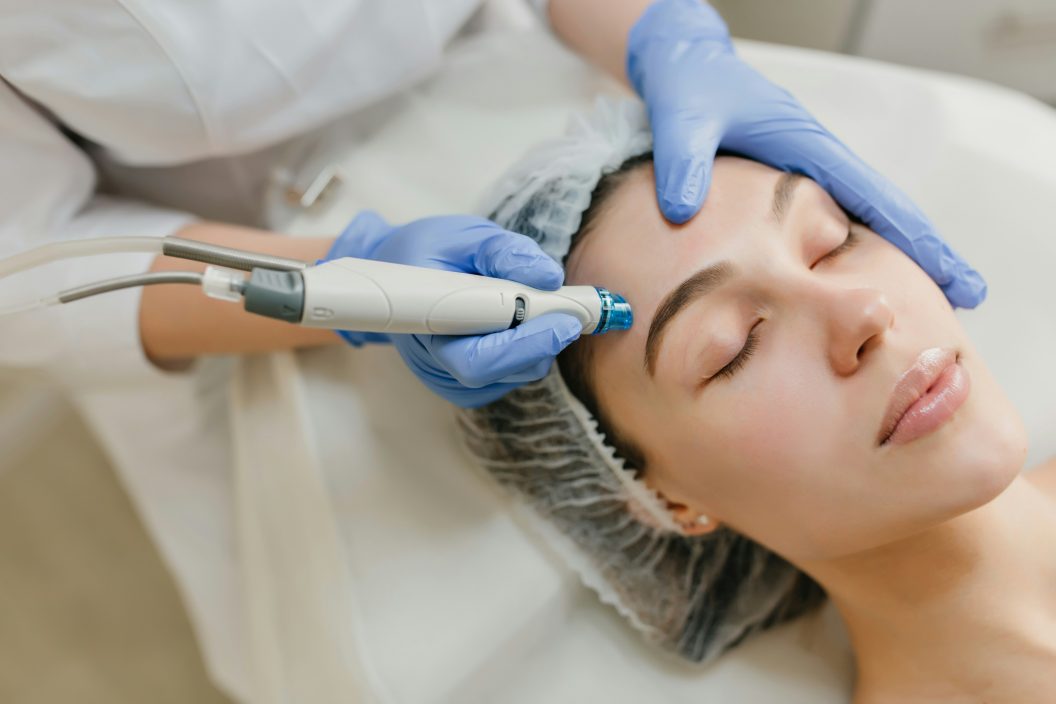
Skin color isn’t simply a cosmetic detail when choosing minimally invasive skin rejuvenation procedures. Melanin affects how skin responds to inflammation and certain forms of energy.
People with medium to deeper skin tones may be more susceptible to post-inflammatory hyperpigmentation after procedures that cause significant inflammation or thermal injury. That doesn’t mean they can’t undergo lasers, peels, microneedling, or energy-based treatments. It means appropriate technology, settings, preparation, and aftercare become especially important.
This has practical relevance in the Philippines, where a wide range of skin tones is represented. A provider should assess how your skin has responded to previous injuries, acne, burns, or cosmetic procedures. If a pimple routinely leaves a dark mark for months, for example, that’s useful information when discussing procedures likely to trigger inflammation. A history of keloid or abnormal scar formation should also be disclosed before treatment.
Tropical Sun Exposure Makes Aftercare Especially Important
Recovery doesn’t end when you leave the clinic. Many rejuvenation procedures temporarily compromise the skin barrier or trigger inflammation, which can make treated skin more sensitive. Philippine weather can add another layer of difficulty because strong ultraviolet exposure, heat, humidity, sweating, and outdoor activity may complicate recovery.
Sun avoidance and broad-spectrum sunscreen are particularly important after treatments associated with photosensitivity or post-inflammatory hyperpigmentation. That may require practical adjustments. Scheduling an aggressive resurfacing procedure immediately before a beach trip, outdoor festival, hiking weekend, or prolonged commute in direct sunlight can make aftercare unnecessarily difficult.
Heat and sweat may also irritate recently treated skin, depending on the procedure. Your provider may temporarily restrict strenuous exercise, swimming, saunas, certain active skincare ingredients, makeup, or other activities. The best treatment isn’t just one you can afford. It’s one whose recovery instructions you can realistically follow.
Minimally Invasive Doesn’t Mean Maintenance-Free
Many minimally invasive treatments produce temporary or progressive results rather than permanent transformation.
Botulinum toxin effects wear off. Fillers may gradually be metabolized or change over time. Collagen-remodeling procedures can improve certain features, but the natural aging process continues. Pigmentation can recur, particularly when the underlying trigger remains present, or sun protection is inconsistent. That makes maintenance part of the conversation from the beginning.
Ask how many initial sessions are commonly recommended for your particular concern, how far apart treatments are usually spaced, when results are assessed, and what maintenance might look like afterward.
A realistic long-term plan may also include basic skincare rather than endless procedures. Sunscreen, appropriate cleansing, moisturization, and evidence-based active ingredients can help protect the investment you’re making in professional treatments. Understanding daily habits that contribute to premature skin aging can be just as valuable as researching the latest device.

How Much Downtime Should You Expect?
“Minimal downtime” is one of the most inconsistently used phrases in aesthetic marketing. For one person, minimal downtime means returning to work while slightly red. For another, even visible peeling or facial swelling for two days is unacceptable. Instead of asking whether a procedure has downtime, ask what your skin is likely to look and feel like during the first several hours and each of the following days.
Some lighter procedures may cause temporary redness or sensitivity. More aggressive resurfacing can involve swelling, peeling, crusting, or prolonged redness. Injectable procedures may leave bruising or localized swelling.
Intensity also matters within the same treatment category. A conservative laser session and an aggressive laser session shouldn’t be expected to have identical recovery periods. If you have a wedding, photoshoot, important meeting, or other major event approaching, tell your provider before scheduling treatment rather than assuming you’ll look completely normal within a day or two.
How to Choose the Right Procedure for Your Skin Concern
Start with diagnosis rather than technology.
If pigmentation is your main concern, determine what kind of pigmentation you’re dealing with. If you want to improve acne scars, identify whether they’re primarily rolling, boxcar, ice-pick, raised, or associated with ongoing acne. If your concern is facial aging, determine whether the dominant issue is skin texture, muscle movement, volume loss, or laxity. Those distinctions can completely change the appropriate treatment.
A consultation should also cover your medications, allergies, previous cosmetic procedures, history of cold sores, tendency to scar, pregnancy or breastfeeding status when relevant, and any medical conditions that could affect healing or treatment suitability. You should also discuss your current skincare routine. Retinoids, exfoliating acids, bleaching agents, and other active products may need to be adjusted around certain procedures.
This is where learning more about how to build a skincare routine around professional treatments can become a useful next step.
What to Ask Before Booking a Treatment
A reputable consultation should give you enough information to understand what’s being done to your face or skin, not simply convince you to purchase a package. Ask for the exact name of the treatment, device, injectable, or chemical formulation being recommended. Find out why it suits your particular concern and what alternatives exist.
For energy-based devices, ask about the provider’s experience treating patients with skin tones similar to yours. For injectables, ask who will perform the injections and how complications are handled. For procedures that involve significant resurfacing, ask what wound care and follow-up support will be available.
Before-and-after photographs can be useful, but look for examples involving patients whose starting concern and skin characteristics resemble yours.
Price deserves consideration, but a heavily discounted treatment isn’t a bargain if the clinic cuts corners on product authenticity, device maintenance, hygiene, patient assessment, or practitioner expertise.
Red Flags That Should Make You Reconsider
Be cautious when a clinic guarantees a specific result or presents a treatment as completely risk-free. Biological responses vary, and even well-established procedures can produce complications.
Claims that one device can permanently solve virtually every skin concern should also prompt questions. Skin aging is multifactorial, and pigmentation, scars, wrinkles, laxity, and volume loss don’t all arise from the same process.
Pressure to purchase a large package before you’ve had an appropriate assessment is another reason to slow down. Injectable products should be identifiable, properly stored, and sourced through legitimate channels. Energy-based treatments should be performed using equipment appropriate for the intended procedure and your skin characteristics.
Most importantly, don’t let social media popularity substitute for medical judgment. A procedure can be trendy and still be wrong for your skin.
Which Minimally Invasive Skin Rejuvenation Procedures Are Worth Watching?
There isn’t one minimally invasive skin rejuvenation procedure that deserves to be called the best.
Microneedling and RF microneedling may appeal to patients focused on texture and certain scars. Fractional lasers and chemical peels offer different levels of resurfacing. IPL can address selected pigmentary and vascular concerns. Ultrasound-based treatments target deeper tissue when mild laxity is the issue. Botulinum toxin, fillers, and skin boosters approach facial rejuvenation through entirely different mechanisms.
What deserves to be on your radar isn’t necessarily the newest treatment. It’s the procedure that matches the biological reason for the change you want to improve.
For Filipino patients in particular, skin tone, pigment response, sun exposure, and realistic recovery conditions should be part of that decision. A qualified dermatologist or appropriately trained medical professional can assess those factors and explain which options make sense for your skin.
The strongest results from minimally invasive skin rejuvenation procedures usually begin with a specific goal, realistic expectations, careful patient selection, and a treatment plan designed around your skin rather than a trend.