
Table of Contents

If you’ve ever wondered what to eat for better skin health, the answer isn’t a single miracle food. It’s a pattern. Your skin reflects what you eat every day, not what you try once a week. For Filipinas dealing with heat, humidity, and strong sun exposure, nutrition plays an even bigger role in keeping skin resilient, hydrated, and protected.
A skin-healthy diet supports cells, strengthens the skin barrier, and helps your body create new skin cells while defending against oxidative damage from the sun’s harmful UV rays.
Healthy Skin Starts From the Inside
Healthy skin depends on a steady supply of nutrients. Your body constantly replaces old skin cells with new ones, and that process needs fuel.
A diet rich in:
- Essential fatty acids
- Antioxidant or vitamin E-rich foods
- Lean proteins
- Fruits and vegetables
helps maintain healthy skin, improve skin texture, and support skin elasticity. Without the right nutrients, issues like dry skin, uneven tone, slow wound healing, and skin problems become more common.
1. Green Tea

Green tea is one of the easiest upgrades you can make for skin health. It’s packed with antioxidants that fight free radical formation caused by UV radiation and pollution.
Skin benefits of green tea include:
- Reducing inflammation linked to skin conditions
- Supporting blood flow to cells
- Helping protect your skin from UV and oxidative stress
Regular green tea intake may also lower the risk of certain skin diseases, including skin cancer, by limiting cell death triggered by UV light.
2. Omega-3 Fatty Acids for Skin Resilience
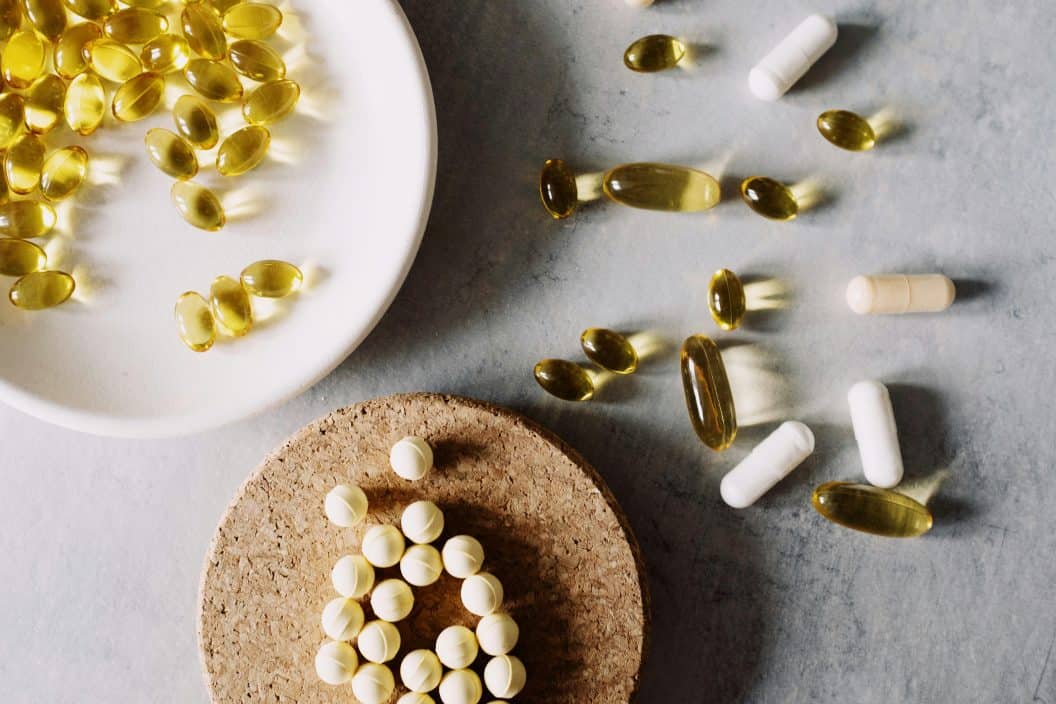
Omega-3 fatty acids are essential fatty acids your body can’t make on its own. They help reduce inflammation and strengthen the skin barrier, which is crucial in hot, humid climates.
They’re especially helpful for:
- Dry skin
- Redness and irritation
- Supporting hydrated skin
These healthy fats also help prevent collagen breakdown, which can degrade collagen, the main structural protein responsible for firm, youthful skin.

3. Fatty Fish for Skin Elasticity
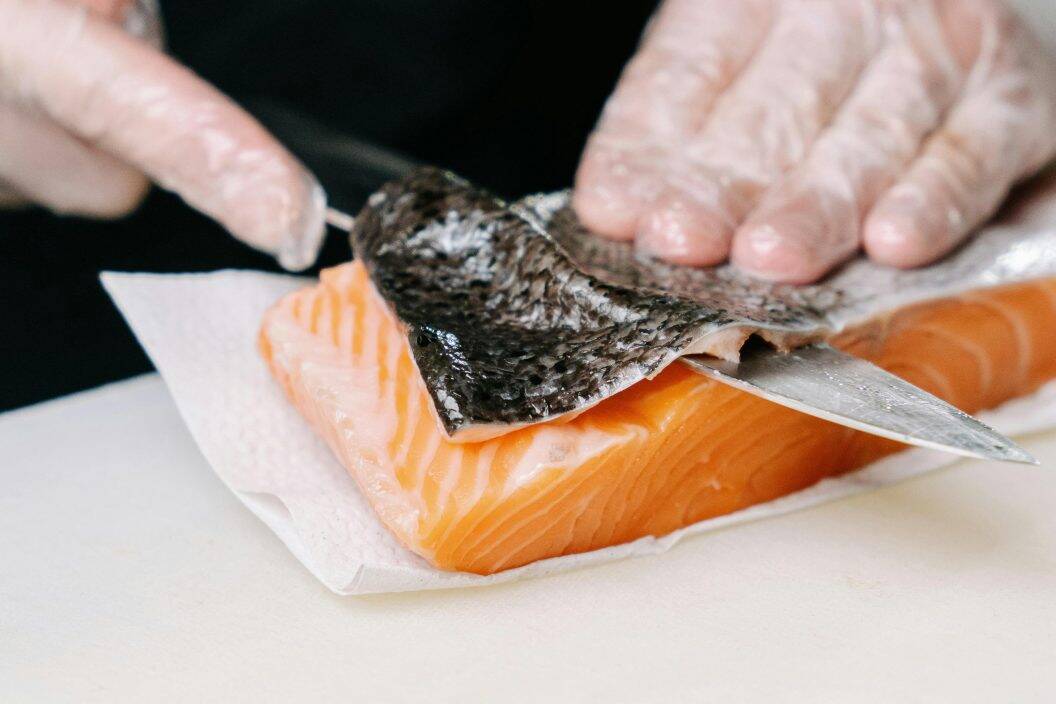
Fatty fish like salmon, sardines, and tuna are excellent for skin health. They’re rich in omega-3 fatty acids and vitamin D, both essential for skin health.
Fatty fish helps with:
- Skin elasticity
- Reducing sun damage
- Supporting UV protection from within
For Filipinas who spend a lot of time outdoors, fatty fish can help counteract the effects of sun exposure and UV rays.
4. Dark Chocolate
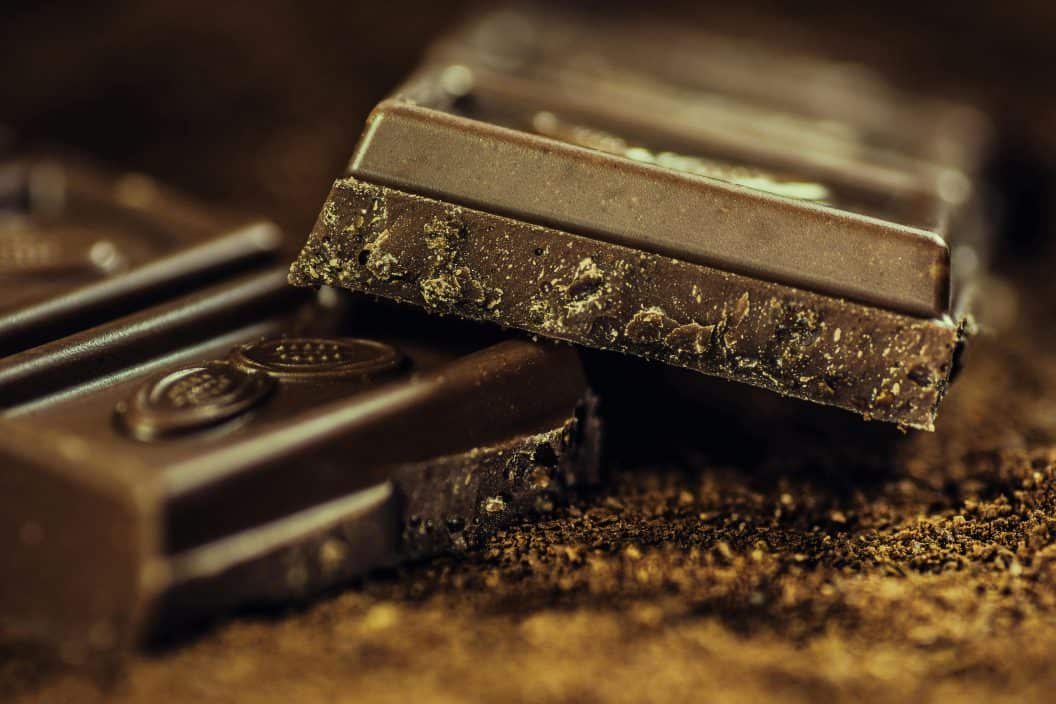
Yes, dark chocolate can support skin health, when chosen wisely. Look for varieties with high cocoa powder content.
Benefits include:
- Improved the flow of blood to the skin
- Protection against UV damage
- Reduced oxidative damage
In moderation, dark chocolate can be a skin-friendly sweet treat that supports glowing skin without causing unnecessary weight gain.
5. Antioxidant-Rich Foods for Glowing Skin
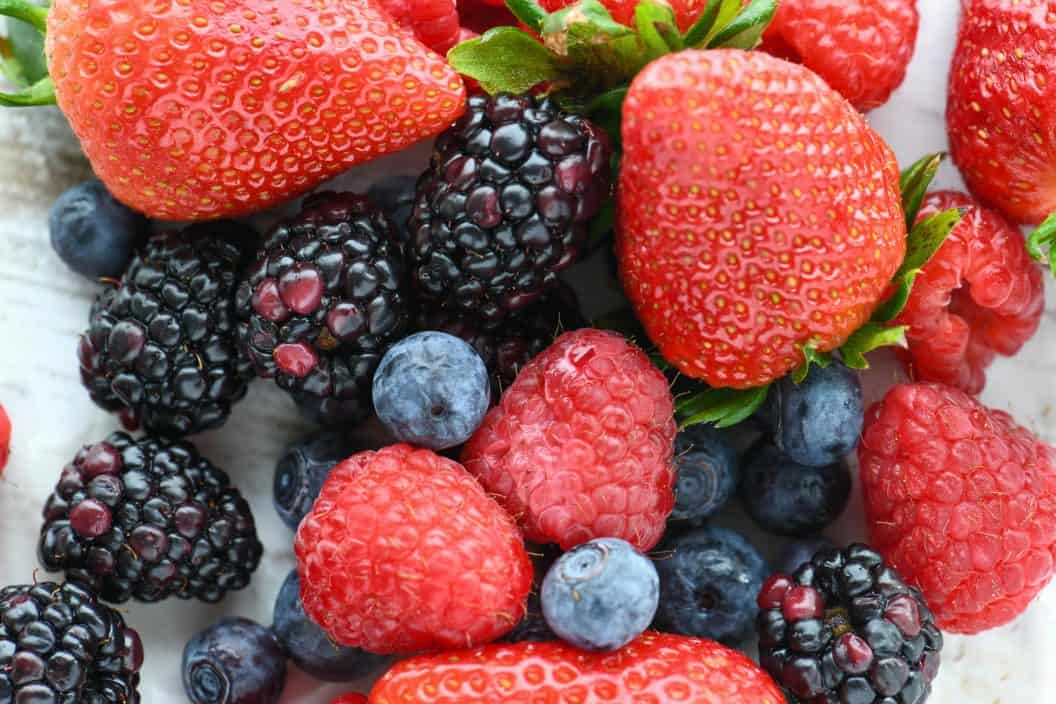
Glowing skin comes from foods that fight inflammation and oxidative stress. Antioxidant-rich foods help protect cells from damage and free radical formation.
Top options include:
- Berries
- Green tea
- Dark chocolate
- Sweet potatoes
These foods improve the texture of the skin and support the natural repair process
6. Bell Peppers and Vitamin C
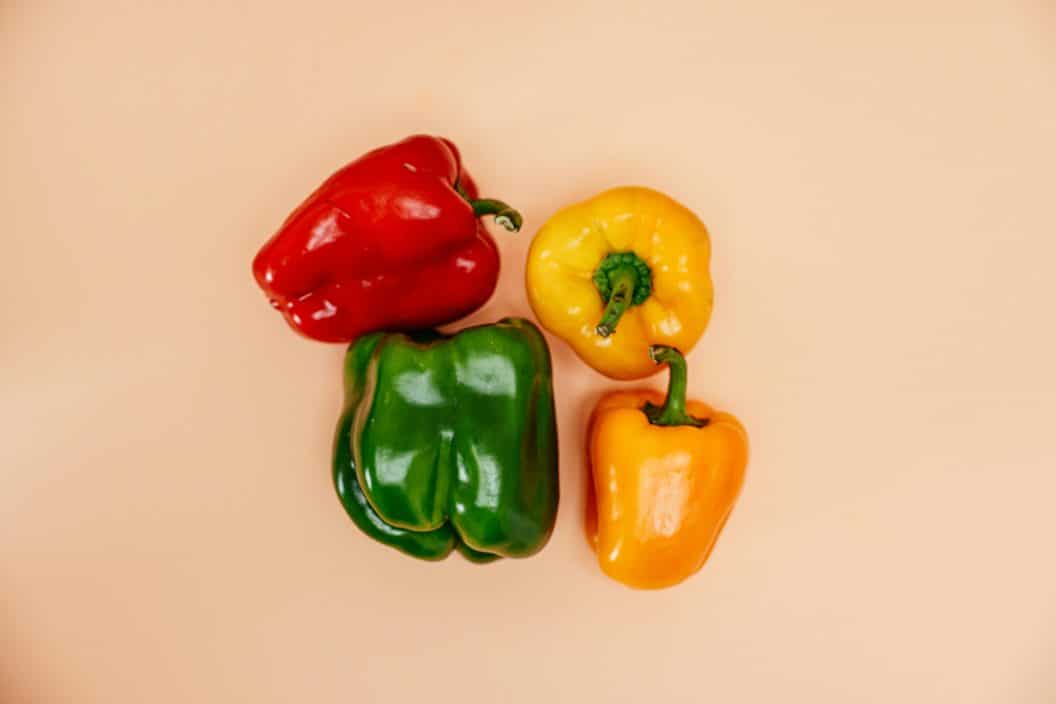
Bell peppers are one of the best sources of vitamin C, a nutrient essential for collagen production.
Vitamin C:
- Helps improve skin texture
- Supports healing
- Protects against sun damage
Aside from vitamin C, red and yellow bell peppers also contain beta carotene (pro-vitamin A), which your body converts into vitamin A for UV protection and skin renewal.
7. Skin-Protective Nutrients

A diet abundant in vitamins and minerals helps protect your skin from UV damage and environmental stressors.
Key nutrients include:
- Vitamin A (beta carotene) for skin renewal
- Vitamin E for antioxidant defense
- Vitamin K for circulation and healing
- Vitamin D for skin immune function
Together, these essential nutrients help protect your skin from UV radiation and oxidative damage.
8. Certain Foods That Heal Skin Faster
Foods that support collagen and cell repair help skin heal faster.
Top choices:
- Proteins for collagen production
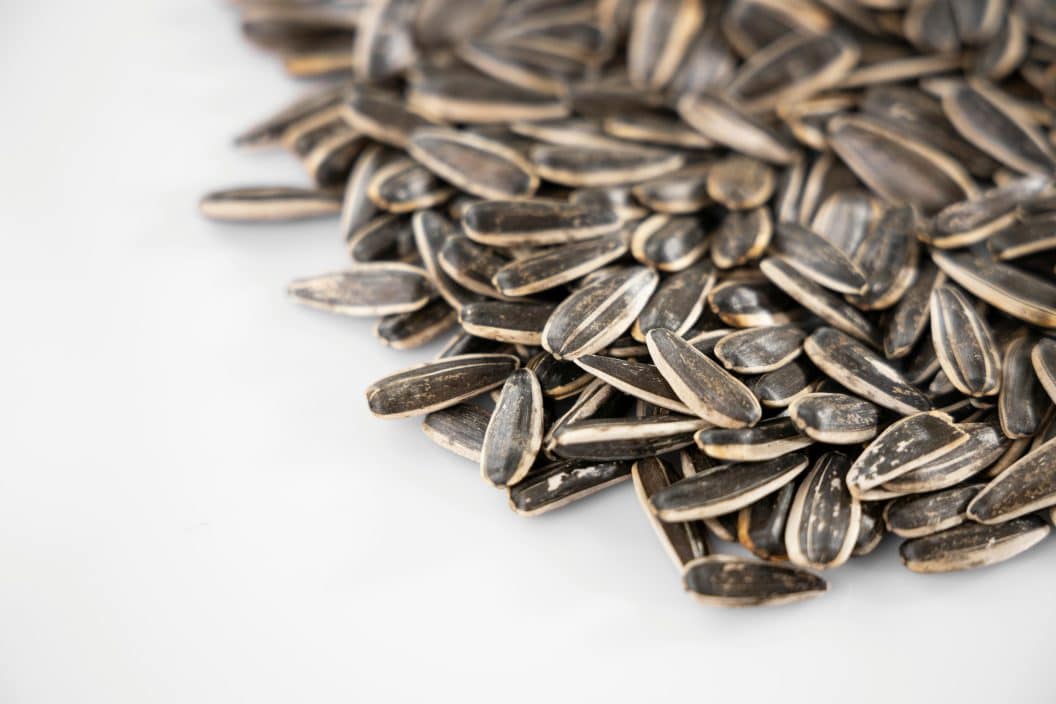
- Sunflower seeds for vitamin E and linoleic acid
- Sweet potatoes for beta carotene
- Fatty fish for omega-3 fatty acids
These foods support faster recovery from skin problems, minor injuries, and sun damage.
What Healthy Diet Improves Skin Health?
A healthy skin diet avoids extremes. Instead of cutting entire food groups, aim for variety and consistency.
Limit:
- Ultra-processed foods
- Highly processed foods
- Diets high in sugar that disrupt blood sugar
Focus on a diet rich in whole foods, proteins, and fruits and vegetables to maintain healthy skin long term. Make sure to consume a good source of vitamin E, C, A, K, and D.
Building a Balanced Diet High in Nutrients for Skin Health
A well-balanced diet means eating the same foods less often and rotating different nutrient sources. This prevents nutrient gaps and supports long-term skin health habits.
Your plate should include:
- Fruits and veggies for antioxidants
- Lean proteins for repair
- Healthy fats for hydration
- Whole grains for stable blood sugar
A good diet with nutrient-dense foods supports blood flow, speeds up healing, and improves overall skin texture.
Protect Your Skin Beyond Food
While food plays a huge role, it works best alongside smart habits:
- Use sun protection to block UV rays
- Avoid excessive sun exposure
- Pair nutrition with topical moisturizers for external support
Food strengthens your skin from the inside, while sun protection shields it from the sun’s harmful UV rays.
Final Thoughts
Maintaining skin health isn’t about chasing trends or eating the same meals every day. It’s about choosing a healthy choice and consistently fueling your body with more nutrients.
When you combine a healthy skin diet with good sun protection, you give your skin the tools it needs to stay strong, resilient, and glowing, no matter the climate.


