
Table of Contents

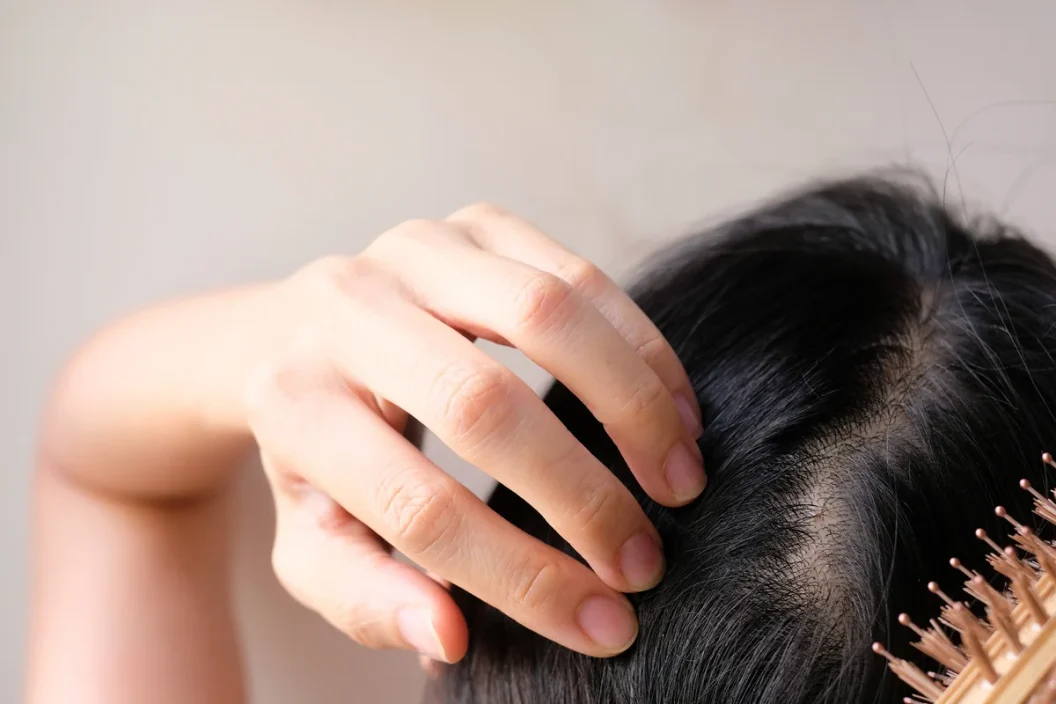
Hair loss can be distressing, especially when the root cause is unclear. Among the many potential triggers, iron deficiency is one of the most common, and often missed, contributors.
Iron plays a central role in numerous bodily functions, including oxygen transport and cell regeneration, both of which are crucial for healthy hair growth. When iron levels drop too low, hair follicles struggle to function properly, leading to excessive shedding and thinning.
Why Iron Matters for Hair Growth
Iron is essential for the production of hemoglobin, a protein in red blood cells that carries oxygen throughout the body, including to the scalp and hair follicles. Adequate oxygen supply helps maintain healthy hair follicle cells and supports the anagen (growth) phase of the hair cycle.
When iron stores are depleted, this oxygen delivery is compromised, causing hair follicles to enter the telogen (resting) phase prematurely. This results in diffuse hair shedding, often noticeable as a general thinning rather than patchy bald spots.
Signs and Symptoms of Iron Deficiency
Persistent Fatigue and Weakness
One of the earliest and most common signs of iron deficiency is chronic fatigue. Without enough iron, your body struggles to produce adequate hemoglobin, the protein in red blood cells responsible for carrying oxygen. This oxygen shortfall can leave you feeling tired, sluggish, and physically weak, even after adequate rest.
Pale Skin and Cold Extremities
Iron deficiency reduces blood flow to the skin, making it appear pale or dull. Some people also experience cold hands and feet as circulation decreases. These symptoms are often more noticeable in the face, inner eyelids, lips, and nail beds.
Brittle Nails and Hair Loss
Low iron levels affect keratin production, leading to weak, brittle, or spoon-shaped nails (a condition known as koilonychia). Hair may become thin or fall out more than usual, particularly in women. This type of hair shedding is often diffuse, rather than patchy.
Shortness of Breath and Rapid Heartbeat
Because iron plays a key role in transporting oxygen, its deficiency can make physical activity feel harder than usual. You may notice shortness of breath, lightheadedness, or even chest discomfort during minor exertion. In more severe cases, the heart compensates by pumping faster, leading to palpitations.
Restless Legs and Headaches
Some individuals with iron deficiency experience restless leg syndrome, a strong urge to move the legs, often accompanied by uncomfortable sensations, especially at night. Headaches or migraines can also become more frequent due to reduced oxygen supply to the brain.
Cognitive and Mood Changes
Iron deficiency not only affects the body, but it also impacts brain function. You may struggle with concentration, feel irritable, or notice memory lapses. In children and adolescents, this can manifest as developmental delays or reduced academic performance.
How Iron Deficiency Causes Hair Loss
Iron is essential for producing hemoglobin, which carries oxygen to cells, including those that power hair follicle activity. Hair follicles are among the most rapidly dividing cells in the body, requiring a consistent supply of oxygen and nutrients to sustain healthy hair growth.
Without adequate iron, these follicles can’t function at full capacity.
Telogen Effluvium: The Link to Shedding
A drop in iron levels can trigger a condition called telogen effluvium, a form of temporary hair loss that pushes more hair follicles into the resting (telogen) phase of the growth cycle.
Instead of growing, the hairs fall out more easily, often in handfuls during brushing or washing. This typically occurs a few weeks to months after the iron deficiency begins and can persist if the root cause isn’t addressed.
Iron Deficiency Without Anemia Still Matters
Even if your hemoglobin levels are within normal range, low serum ferritin (a marker of stored iron) can still impact hair health. Many individuals, particularly women, may experience significant hair shedding from suboptimal ferritin levels, well before anemia sets in.
Correcting this involves dietary changes or supplementation under medical supervision.

Treatment: Rebuilding Iron Levels for Hair Recovery
Addressing iron deficiency involves both correcting the deficiency and restoring iron stores to optimal levels. Iron-rich foods like red meat, lentils, spinach, and fortified cereals are dietary staples that support this effort. In some cases, oral iron supplements may be necessary and should always be taken under medical supervision to avoid side effects such as constipation or nausea.
It’s important to remember that hair regrowth takes time; visible improvements may take three to six months as follicles gradually return to the growth phase.
When to See a Healthcare Provider
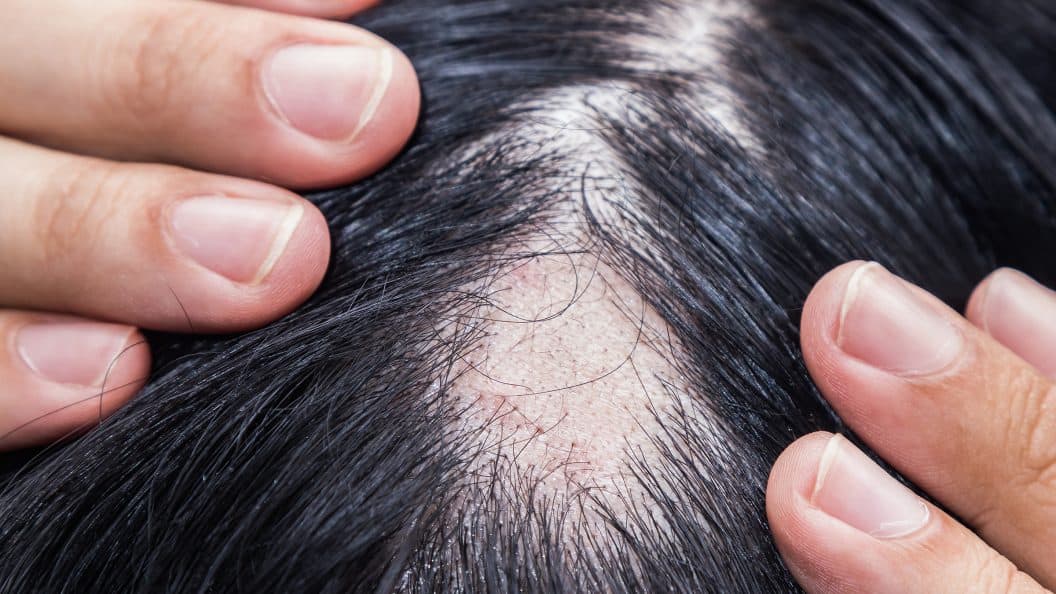
If you’re experiencing unexplained hair loss, especially along with fatigue or other signs of anemia, it’s important to consult a healthcare provider. A simple blood test can determine if iron deficiency is the cause, and a treatment plan can be tailored to meet your needs.
Early detection not only improves hair outcomes but also addresses broader health concerns linked to chronic iron deficiency.



